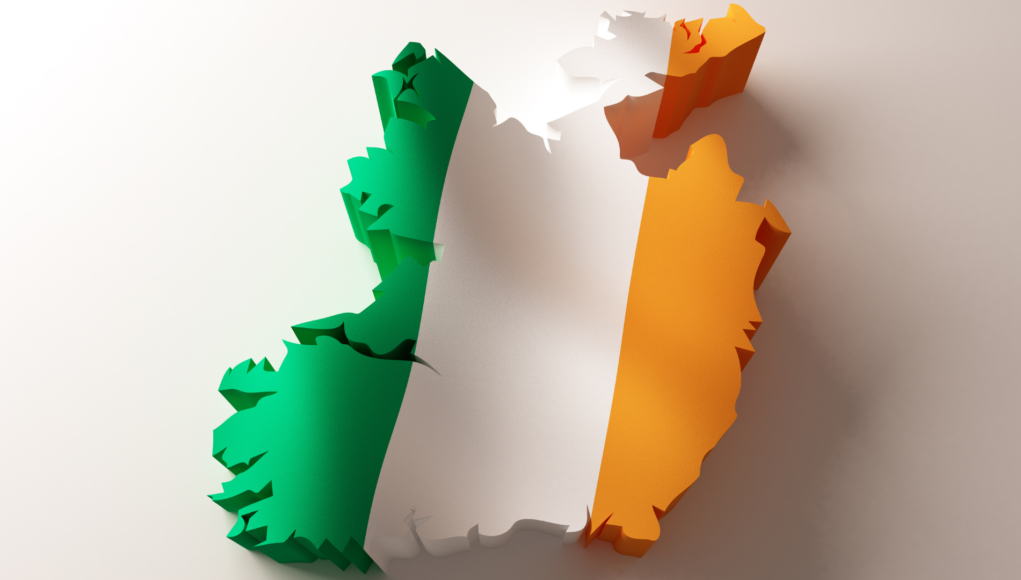
Expanding a UK business into Ireland presents a strategic opportunity in the post-Brexit landscape. The shared language and close proximity make Ireland an attractive destination for UK businesses seeking to maintain and grow their presence within the EU. Ireland’s business-friendly environment, complete with a skilled workforce and a strong legal framework, offers great potential for UK companies looking to diversify their operations and tap into new markets.
Legal and Regulatory Considerations
When expanding your UK business into Ireland, navigating legal and regulatory frameworks is critical. It involves establishing the right type of presence, complying with tax regulations, ensuring adherence to employment laws, and protecting intellectual property.
Just like in the United States, obtaining the appropriate visas and work permits is essential for any non-EU employees you plan to transfer or hire. Additionally, staying updated on immigration policies can help ensure a smooth transition and adherence to local laws. Learn more about visa and immigration law at flynnhodkinson.com.

Setting Up a Legal Entity in Ireland
To operate in Ireland, you must register with the Companies Registration Office (CRO). You may opt to establish a branch or create a separate legal entity, such as a private limited company. The latter exists independently from its owners and offers limited liability protection.
Understanding Irish Tax Laws
Understanding and complying with Irish tax laws is crucial. Register for VAT if your taxable turnover exceeds the threshold. For corporation tax, which is notably competitive in Ireland, be aware of different rates for trading and non-trading income.
Employment Laws and Employee Rights
Employment laws and employee rights in Ireland are comprehensive, and UK businesses employing someone in Ireland must familiarise themselves with payroll. This involves understanding immigration laws for non-EU workers, adhering to minimum wage requirements, and ensuring terms of employment are clear and fair. Payroll management must comply with Irish standards, and companies can find assistance in services tailored to UK companies’ employees in Ireland.
Intellectual Property Protections
Protecting your brand and innovation through intellectual property rights is vital. In Ireland, policies are in place to safeguard trademarks, copyright, and patents, ensuring that your business’s unique assets are secured.
Financial Implications and Incentives
When a UK business looks to expand its operations into Ireland, they must consider various financial implications and incentives that could affect their venture. Ireland’s financial landscape offers several benefits that appeal to businesses seeking growth.
Corporate Tax Rate: Ireland’s corporate tax rate is one of the lowest within the European Union. This low rate is particularly advantageous for UK companies looking to maximise their profits while benefiting from access to the European market.
Grants and Support from IDA: IDA provides financial support and grants to businesses investing in the region. This can significantly reduce initial investment costs and support cash flow in the critical early stages of establishing a presence in Ireland.
- Tax Credits: Businesses can also benefit from various tax credits designed to promote innovation, such as a 25% tax credit for research and development activities, which could be crucial for tech and pharma companies.
Accounting and Cash Flow Considerations: It is also important for UK firms to understand the differences in accounting practices and regulations. UK businesses must adapt to Ireland’s financial reporting requirements to ensure compliance and to streamline their operations.
| Financial Aspects | Notes |
| Corporate Tax Rate | 12.5% rate, among the lowest in the EU |
| IDA Grants | Financial support for foreign investments and job creation |
| Tax Credits | Incentives for R&D activities |
| Accounting Requirements | Adherence to Irish standards and practices |
| Cash Flow Management | Vital for sustainability, may be supported by available grants |
Considering the financial implications and incentives is essential for a smooth market entry into Ireland. By leveraging low corporate taxes, grants, and tax credits, UK businesses can optimise their expansion strategy for sustainable success in a new market.
Operational Dynamics in Ireland
When considering expansion into Ireland, businesses will find that the location plays a vital role in operational success. Dublin, as the capital, is a central hub with a well-established professional network and tech-savvy workforce. The availability of skilled employees across a range of sectors makes it a desirable destination for UK businesses.
Key considerations for businesses include compliance with Irish employment law. Ireland has its distinct set of regulations that govern work hours, minimum wage, and employee benefits. Aligning with these legal frameworks is essential for smooth operations.
The business culture in Ireland is known for its openness and emphasis on building relationships. Engaging with local businesses and being aware of the nuances of Irish corporate etiquette can greatly influence collaborative efforts and integration into the local market.
| Aspect | Consideration |
| Location | Central hubs like Dublin offer strong networks |
| Workforce | Access to a diverse pool of talent |
| Compliance | Adherence to Irish employment laws is crucial |
| Business Culture | Relationship-building holds significant value |
In essence, expanding a UK business to Ireland requires thorough research and a clear understanding of the Irish business environment. Establishing operations in Ireland can provide companies with new opportunities if navigated with consideration for local practices and regulations.
Market Entry Strategies
Entering the Irish market requires UK companies to navigate legal frameworks, immigration policies, and nuanced business environments. Formulating an effective strategy includes establishing a local presence via a branch or subsidiary and conducting thorough market research.
Establishing a Branch or Subsidiary
UK companies aiming to expand into Ireland typically consider setting up a branch or subsidiary. A branch operates as an extension of the UK entity, without creating a separate legal identity. On the other hand, a subsidiary is a separate legal entity, offering limited liability protection. Establishing either entity necessitates understanding Ireland’s legal environment, including corporate law and taxation. To set up a branch, companies must register with the Companies Registration Office (CRO), submitting various documents such as the Articles of Association and appointing a director who is an EEA resident (source: Expanding Your UK Business into Ireland). For a subsidiary, more comprehensive steps are required, which may involve different visa implications for staff who may relocate to manage business operations.
Conducting Effective Market Research
Before UK companies launch their business operations in Ireland, they need to understand the local market. Effective market research encompasses analysing competitors, understanding consumer behaviour, and identifying growth opportunities. This research can provide insights into what local consumers value, how to adapt products or services to meet local preferences, and the competitive landscape one might face. It is crucial to have a data-driven understanding of Irish market dynamics to devise a tailored market entry strategy, making sure to stay compliant with Irish business practices and regulations.
Marketing and Brand Visibility in Ireland
When expanding a UK business into Ireland, understanding localised marketing strategies is crucial. The Irish consumer market values brands that show cultural understanding and relevance. Therefore, it’s essential for UK businesses to tailor their marketing campaigns, respecting local nuances and consumer behaviours to ensure resonance and effectiveness.
Companies should consider leveraging traditional marketing tools, which remain impactful in the Irish landscape. Printed banners, for example, can significantly enhance brand visibility at high-footfall locations. They serve as constant visual reminders, reinforcing your brand’s presence. Seeking out suppliers renowned for quality, like those who provide printed Banners in Ireland, can be beneficial in executing this strategy effectively.
In digital avenues, adjusting your messaging for the Irish market can lead to an uptick in engagement. Social media platforms provide an opportunity to connect with the target audience in a direct and personable way. It is advisable to engage with local influencers and thought leaders, which can lend credibility and relevance to the brand.
For B2B businesses, LinkedIn marketing campaigns can drive conversions by targeting key decision-makers within relevant Irish industries. Personalised content and strategic networking on this platform are vital to establish business relationships and brand trust.
Overall, establishing brand visibility in Ireland requires a mix of traditional methods like eye-catching printed banners and modern digital engagement, all while upholding a marketing message that’s customised for the Irish audience. Such an approach demonstrates respect for the local market, which can lead to stronger customer relationships and successful market penetration.
Leveraging Ireland’s Innovation and Technology Ecosystem
Ireland’s ecosystem for innovation and technology is increasingly attractive for UK businesses looking to expand. The country boasts a dynamic blend of incentives, education, and collaboration opportunities with leading global tech companies such as Facebook and Google, which have established significant European bases in Ireland.
The research and development landscape in Ireland is powered by government strategies that foster an environment conducive to growth in areas such as innovation and technology. Recent policies aim to maximise the impact of research and innovation by unifying various institutions to drive comprehensive and world-class research advancement across multiple sectors.
Incentives play a pivotal role in Ireland’s appeal:
- Tax credits specific to R&D activities
- Competitive corporate tax rates
- Funding supports for technology-related ventures
The Irish government provides these financial mechanisms to encourage entities to develop novel products and solutions on Irish soil.
Education is yet another cornerstone of the Irish advantage. The country invests in a highly educated workforce, which is essential for companies reliant on talent in engineering, mathematics, science, and the social sciences. Such a pool of skilled workers is appealing to businesses focusing on innovation and cutting-edge technologies.
Working alongside incumbents like Facebook and Google offers unparalleled opportunities for networking, partnerships, and access to the latest in tech developments. These companies exemplify Ireland’s commitment to creating a sustainable, forward-looking digital economy, reinforcing its status as a leader in the convergence of technology, business, and innovation.
Enhancing Competitive Advantage
When UK businesses consider expansion, Ireland presents a compelling proposition with several features poised to enhance competitive advantage. Central to these is Ireland’s low corporation tax, pegged at 12.5%, which is one of the most attractive rates in Europe for profit-generating activities.
The Irish economy also offers a business-friendly environment that helps UK companies to be competitively positioned in both the local and EU market. This advantage is further reinforced by Ireland’s skilled workforce and commitment to innovation.
- Corporate tax rate: The favourable tax rate entices businesses seeking to maximise profits while benefiting from an economically stable environment.
- Access to the EU market: As a member of the EU, Ireland provides UK companies with uninterrupted access to other member states, a significant advantage post-Brexit.
- Competition: Levering the competitive tax rate, businesses could reinvest savings into research and development, enhancing their market offerings.
The combination of these factors contributes towards building a robust presence in a new market, fostering growth, and potentially improving market share against competition. Firms should assess these benefits in light of their strategic goals to utilise Ireland’s dynamic economic landscape effectively.
| Key Considerations for Expansion | Description |
| Low Corporation Tax | Attracts businesses with cost-saving benefits on profits. |
| Business-Friendly Environment | Supports companies through established infrastructures and policies. |
| Access to EU Market | Unlocks potential for wider market reach beyond Ireland. |
Businesses must navigate these aspects with an informed strategy, aligning expansion efforts with the economic strengths of Ireland to enhance competitive advantage.