It’s not often that a pollution incident ends with something approaching a positive outcome. But in Somerset, a costly mistake is at least being turned into a chance to repair some of the damage done—not just to a river, but to the wildlife that depends on it.
Following enforcement action by the Environment Agency, Wessex Water has agreed to pay £300,000 towards environmental improvements in the upper reaches of the River Yeo catchment, near Yeovil.
The payment comes after a sewer backed up and spilled into a tributary of the River Yeo in September 2022, killing dozens of fish. For those who know these waterways, it was the sort of incident that lingers—less visible once cleared, but not quickly forgotten.

Now, the money will be directed to the Yeovil Rivers Community Trust, which plans to use it to improve habitats across the area. That includes creating reedbeds, wetlands and ponds—features that might not sound dramatic, but which are vital if species are to recover.
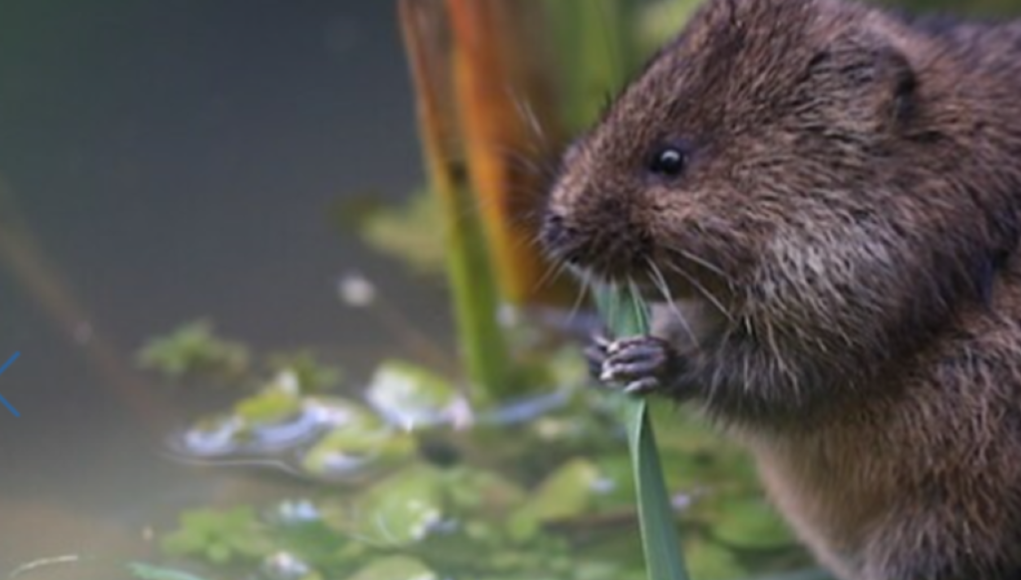
Among the main beneficiaries are water voles, a species whose quiet decline has been anything but subtle to those keeping track. Once common along British waterways, they are now considered the country’s fastest disappearing mammal. Around Yeovil, numbers have fallen from an estimated 600–700 to nearer 300–400, a drop driven by habitat loss, pollution and the steady pressures of modern land use.
Clean water, it turns out, is only part of the story. Voles need space—safe, connected stretches of habitat where they can feed, breed and move without constant disruption. The planned work aims to provide exactly that, while also identifying and recording remaining populations more accurately.
The agreement itself takes the form of what’s known as an enforcement undertaking—a legal arrangement that allows companies to fund environmental improvements directly, rather than face prosecution. It’s a route increasingly used by regulators, and one that reflects a shift towards putting money back into affected areas rather than into court proceedings.
That shift is happening on a wider scale. Across the country, water companies have paid a record £8.5 million into environmental restoration projects under similar arrangements, a marked increase on previous years. Behind that sits a more assertive approach from the regulator, with more inspections, more investigations, and a greater willingness to act when standards slip.
In this case, the original incident was traced to a surging manhole caused by a blocked sewer near Milborne Port. The resulting discharge introduced high levels of pollutants into the water, killing fish including bullhead and sticklebacks. Wessex Water has since installed monitoring equipment and carried out work on the sewer network to reduce the chances of it happening again.
All of which is necessary, though perhaps not sufficient on its own.
Because while funding helps, and enforcement matters, the broader challenge remains. Rivers like the Yeo don’t exist in isolation. They reflect everything happening around them—from farming practices to urban growth to the changing climate. Restoring them is rarely a quick fix.
Still, for the water voles—small, easily overlooked, but surprisingly important to the ecosystems they inhabit—it’s a step in the right direction.
And for once, a reminder that even after the damage is done, something useful can still come of it.