It’s not the sort of creature that usually draws a crowd, but at Longleat, even the smallest arrivals tend to come with a story.
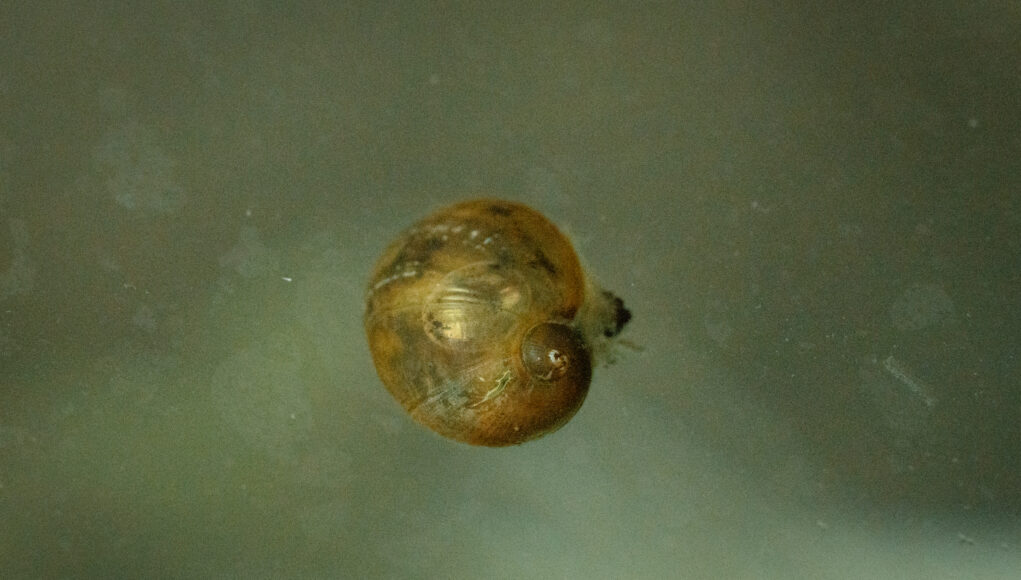
This time, it’s the glutinous snail — a species so rare it’s considered extinct in the wild in England, with just a single surviving population left in Wales. Now, for the first time, visitors will be able to see it up close as part of the estate’s new Tiny Titans attraction.
For Dr Tom Lewis, the move is about more than display. It’s part of a wider effort to understand how the species might one day return to English waterways.

“I recently attended a workshop run by the Species Recovery Trust,” he said, “where we developed a plan to conserve this rare species and aim to bring them back from extinction in the wild in England.”
At first glance, the snail is easy to overlook. Barely 1.5cm across, it has a thin, almost transparent shell, coated in a jelly-like mantle — an unusual feature that gives the species its name. Historically, it thrived in clean, unpolluted water, making it particularly vulnerable to modern environmental pressures.
Pollution, habitat loss and changes to waterways have all played a role in its decline. Now, conservationists are working to better understand the precise conditions it needs to survive — a necessary step before any reintroduction can be considered.
“It is early days,” Dr Lewis admitted, “but we are working with a passionate group to help preserve and reintroduce this species.”
The snails will form part of Tiny Titans, opening alongside Longleat’s Easter programme, which includes the Once Upon an Easter trail across the estate.
For visitors, it’s a chance to see something genuinely rare — not in the usual sense of spectacle, but as a reminder of how easily species can slip away, and how carefully they must be brought back.
You may need to look closely. But that, perhaps, is part of the point.