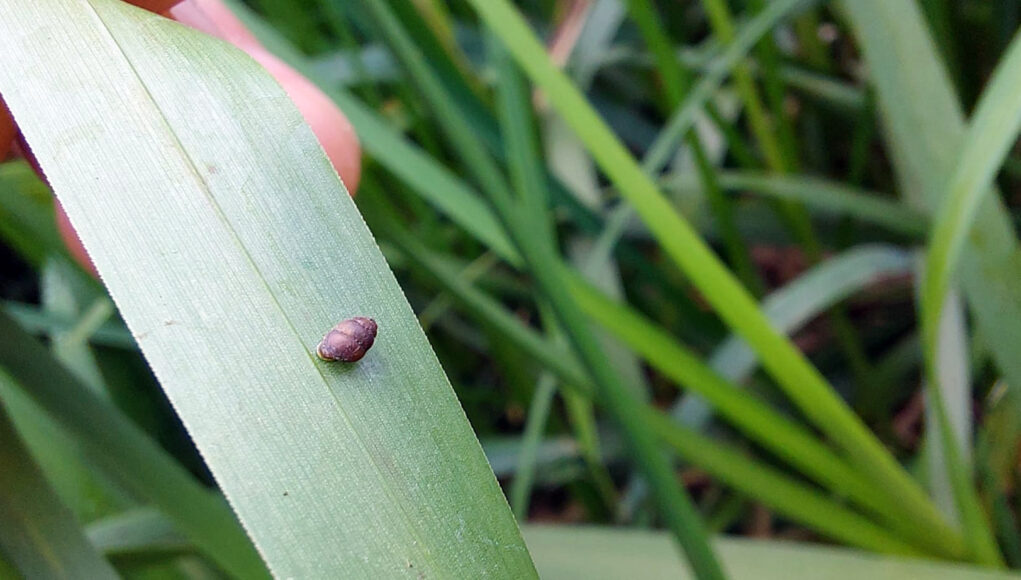
A snail measuring little more than two millimetres may not sound like the sort of creature that grabs attention, but one of Britain’s rarest species is at the centre of an ambitious new conservation project in Wiltshire.
Longleat has joined forces with Wiltshire Wildlife Trust in a bid to secure the future of the endangered Desmoulin’s whorl snail, a tiny wetland species now known from just two sites in the county, near Warminster and Pewsey.
The locations are being kept under wraps to help protect the fragile populations, which conservationists say are among the last remaining strongholds for the species in the area.

Despite its size, the snail plays an important role. Found only in healthy wetland and riverside habitats, its presence is regarded as a sign that these increasingly rare environments are in good condition.
The project, backed by Natural England’s Species Recovery Programme, will combine habitat restoration with an ambitious conservation breeding programme before reintroducing the snails into suitable sites.
It is a significant undertaking, not least because nobody has successfully bred the species in captivity before.
Dr Tom Lewis, Head of Conservation and Research at Longleat, said the project offered a rare opportunity to make a lasting difference.
“We have an opportunity to make a real difference to a special species that is found right on our doorstep. The wetland habitats in which it lives have historically been lost, as we chased higher agricultural productivity.
“Creating space for one of our wetlands’ smallest residents also creates space for others, so we’re excited to get started.
“This project will restore critical wetland and riparian habitats in Wiltshire and establish a conservation breeding centre for the species. Together, these two approaches will provide more habitat for the species and create a sustainable source of snails for reintroduction.
“We are delighted to be working with Wiltshire Wildlife Trust on this exciting conservation project to protect a species for the future.”
Once widespread across the Hampshire Avon catchment, Desmoulin’s whorl snail is now restricted to isolated pockets of chalk-fed wetlands and riverbanks. With populations separated from one another, the chances of the snails naturally spreading or interbreeding have become increasingly limited.
Wiltshire Wildlife Trust only discovered the two previously unrecorded populations during surveys in 2025.
Alice Eley, the Trust’s Head of Fresh Water, said protecting such a tiny creature came with significant challenges.
“We were delighted to find two populations of the previously unrecorded Desmoulin’s whorl snail in 2025 in Warminster and Pewsey.
“Protecting a species that is only two millimetres long comes with challenges, especially when the delicate wetlands they rely on are facing extreme pressure from climate change and changing land use.
“Wiltshire Wildlife Trust are very excited to be launching a project with Longleat where we look to increase the numbers of the snails to actively reverse the decline whilst simultaneously creating resilient, healthy habitats where this tiny snail can thrive.”
Alongside restoring wetlands, researchers hope the breeding programme will unlock valuable knowledge about the snail’s life cycle and behaviour, information that has so far remained largely unknown.
Dr Lewis said bringing together specialists from Longleat, Wiltshire Wildlife Trust and independent experts gave the project its strongest chance of success.
“For any challenging conservation project, you need the best people, and we’ve brought together an incredible team. Using the experience of our in-house team for conservation breeding, working with Wiltshire Wildlife Trust on habitat restoration, and advised by species experts, we have given ourselves the best chance to be successful in conserving a very challenging species.”
For Alice Eley, the project reaches beyond a single species.
“The threats facing the Desmoulin’s whorl snail – from shifting water tables to habitat loss – are indicative of how vulnerable our county’s wetlands are. That’s what makes this partnership so special and vital; we are taking innovative action to safeguard rare species and their habitats.”
The work has also been welcomed by the British and Irish Association of Zoos and Aquariums.
Nicky Needham, the organisation’s Head of Species Management and Conservation, said the funding recognised Longleat’s wider conservation work.
“Winning this funding is testament to the conservation leadership of Longleat. Most people might think about rhinos or lions when they think of the safari, but real, impactful work is going on to save some of the smallest and most overlooked species here in Britain.
“From tiny Desmoulin’s whorl snails to towering giraffes, nature needs us all more than ever and the UK’s zoos are providing a fundamental part of that effort.”
While visitors to Longleat may never catch sight of the tiny mollusc, conservationists hope the project will ensure one of Wiltshire’s smallest residents has a much bigger future.