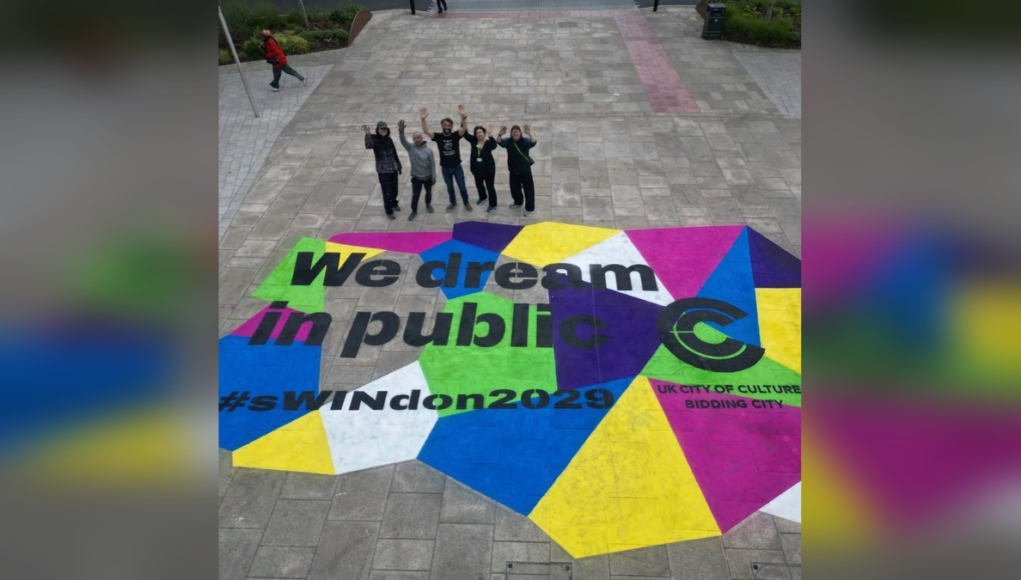
Swindon may not have made the final shortlist for UK City of Culture, but the council says the work behind its bid should not end here.
The town was among nine places to make the competition’s longlist, bringing together cultural organisations, businesses, community groups and residents with a shared ambition to change how Swindon is seen and what it can offer in the years ahead.
Now, with the competition moving on without Swindon, attention is turning to what can be done with the ideas and partnerships that have come out of the campaign.

Swindon Borough Council says it wants to keep that momentum going, with plans to strengthen the town’s cultural scene and build on the interest generated by the bid.
A chance to change the story about Swindon
The campaign was about more than winning a title. It offered Swindon an opportunity to challenge some of the perceptions that have followed the town for years and put its creativity, heritage, diversity and ambition in the spotlight.
Developed jointly by Swindon Culture Collective and the council, the bid also brought people together to discuss what they want the town to look like in the future.
More than 60 engagement events were held across the borough as the bid took shape, with thousands of residents contributing their thoughts and ideas. Others got involved through postcards, creative activities and online submissions.
That level of engagement has given organisers a clearer picture of what people want from Swindon’s cultural future. The challenge now is to turn those conversations into something residents can see and experience.
Councillor Matthew Vallender, the council’s cabinet member for culture, planning and regeneration, said the result was disappointing but should not be seen as the end of the town’s ambitions.
He said the campaign had helped bring people together and offered a chance to show what Swindon has to offer, adding that the next step was to build on the work already done.
Theatre plans remain part of the bigger picture
The bid comes as Swindon’s new administration works on the business case for a new theatre.
The proposed venue forms part of wider ambitions to improve the town centre and expand its cultural offer. While the City of Culture result means Swindon will not have the title to help drive that work forward, the council is keen to continue developing its plans.
A stronger cultural offer could bring benefits beyond the arts, too, from giving local people more opportunities to take part in creative activities to helping attract visitors and supporting businesses in the town.
The bid has also helped bring together organisations that might not always work side by side, creating links between the cultural sector, education, community groups, young people and local employers.
For the council and its partners, keeping those relationships active will be an important part of what happens next.
Young people and local businesses played their part
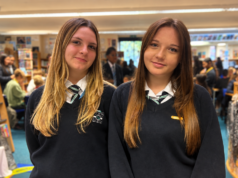
Prime Theatre was among the organisations involved in the campaign, helping ensure young people had a voice in discussions about Swindon’s future.
Nick Capstick, chair, and Lucy Oliver-Harrison, interim chief executive of Prime Theatre, said the process had given young people across the town an opportunity to share their ideas and work alongside artists, cultural organisations and the council.
They said the experience had also brought greater attention to Swindon’s varied cultural scene and created connections they hoped would continue beyond the competition.
Support also came from the local business community, including Zurich, DoubleTree by Hilton Swindon and Gel Studios.
Zurich Municipal’s head, Amy Brettell, said the company was proud to have backed the bid, describing it as an opportunity to showcase the town’s community spirit and creativity.
The involvement of businesses is significant because the ambitions set out in the campaign will need support from across Swindon if they are to develop into lasting projects.
What happens now?
Swindon Culture Collective CIC, which worked with the council on the bid, says the campaign has given thousands of people the chance to consider what the town could become and the role culture might play in getting there.
Its chief executive, Dr Roderick Hebden, said the competition result did not define Swindon and that the conversations and connections created during the process were worth building on.
That leaves Swindon with a question familiar to many towns with big ambitions: how do you turn a successful campaign into changes people can actually see?
The bid has helped put culture on the agenda, drawn in residents and organisations, and given the town a platform to tell a different story about itself. The next test will be whether those ambitions lead to continued investment, stronger cultural opportunities and tangible progress.
Swindon may not be moving forward in the UK City of Culture competition, but the council and its partners are making clear that they do not want the effort behind the bid to go to waste.
For residents who took part, the real measure of success will be what comes next.