People living with motor neurone disease (MND) in Swindon will continue to receive specialist support, following a new four-year funding commitment aimed at maintaining a vital care role in the community.
The funding, provided by the MND Association and delivered in partnership with Prospect Hospice, secures the position of a dedicated MND Care Co-ordinator. The role offers patients and their families a consistent point of contact, helping them navigate what is often a fast-moving and complex condition.
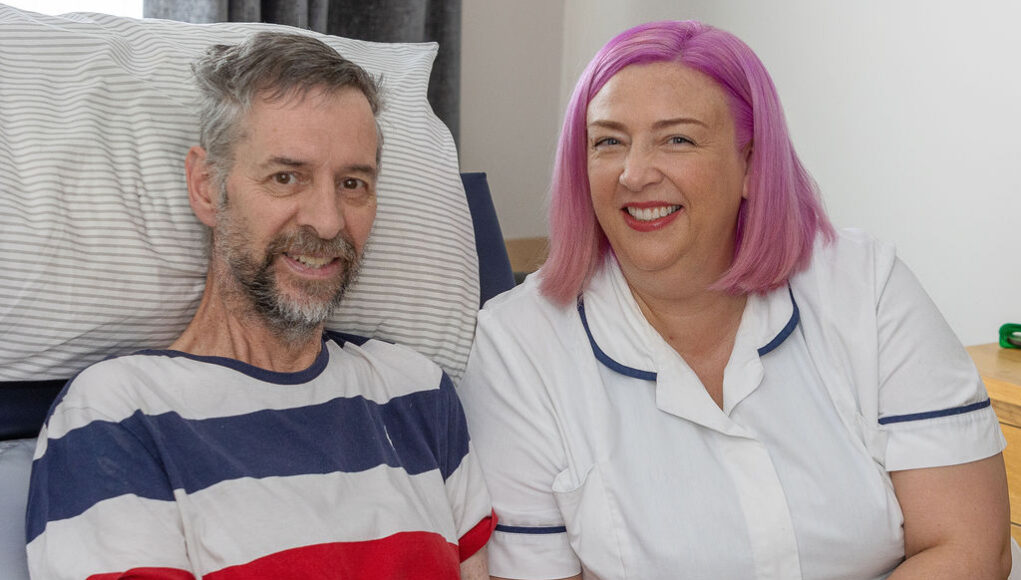
In Swindon, the role is carried out by Dorinda Moffatt, who works closely with individuals affected by MND, along with their carers and a range of health and social care professionals. Her work focuses on ensuring people can access the right support at the right time, often closer to home.

By helping to co-ordinate services and encouraging earlier engagement with hospice care, the role also supports better understanding of the wider support available, including planning for future needs.
Speaking about her work, Dorinda said the partnership between the organisations involved plays a crucial part in delivering effective care.
“I’m extremely proud to be working with the MND Association. Both organisations share a deep commitment to putting patients and families at the heart of everything we do, and that shared purpose makes this partnership special,” she said.
“I have the privilege of supporting patients, families and carers as they face an incredibly challenging diagnosis. Being able to be a voice for people when the disease can take away their ability to speak for themselves is one of the most important parts of my role.”
She added that continuing the service would ensure those affected feel heard and supported as their needs change.
The co-ordinator role is backed by additional support, helping to maintain continuity even as circumstances evolve, something described as essential in managing a progressive condition such as MND.
Sally Hughes, Director of Services and Partnerships at the MND Association, said the programme plays a key role nationally.
“Our MND Care Co-ordinator roles provide wraparound support for people living with this devastating disease, offering a trusted point of contact for individuals and families as their needs change,” she said.
Through its national programme, the MND Association funds similar roles across the UK, aiming to improve access to care and ensure a more joined-up approach for those affected.
For people in Swindon, the continued funding offers reassurance that this level of personalised, co-ordinated support will remain in place in the years ahead.