Wiltshire Wildlife Community Energy (WWCE) — the county’s largest non-profit solar energy enterprise — has confirmed more than £37,000 in new community grants for 2025, backing 11 local projects that champion wildlife, sustainability and greener living.
From pond-dipping platforms and accessible wildlife zones to solar panels for schools, scouts and sports clubs, the WWCE Community Fund is shaping up to be one of the region’s most impactful sources of grassroots environmental support.
Chair Julian Barlow said WWCE’s year has been “exciting” — from completing its public share offer for the Solar for Silverwood School project to committing its largest-ever grant to Wiltshire Wildlife Trust’s Lower Moor Farm transformation. But it’s the smaller, local wins that he says mean the most.

“When we do well, the community benefits, and that’s never more apparent than when we enable fantastic projects like the 11 we’ve funded this year.”
Grants range from £500 to £5,000, with the smallest helping volunteers at Warminster Community Orchard buy an electric strimmer to maintain habitats around their fruit trees. Three organisations received the maximum £5,000:
-
Oliver Tomkins School, Swindon – developing an accessible wildlife area
-
Friends of Monkton Park School – installing solar panels
-
GUL Outdoor Therapy, Shrewton – adding solar and battery storage
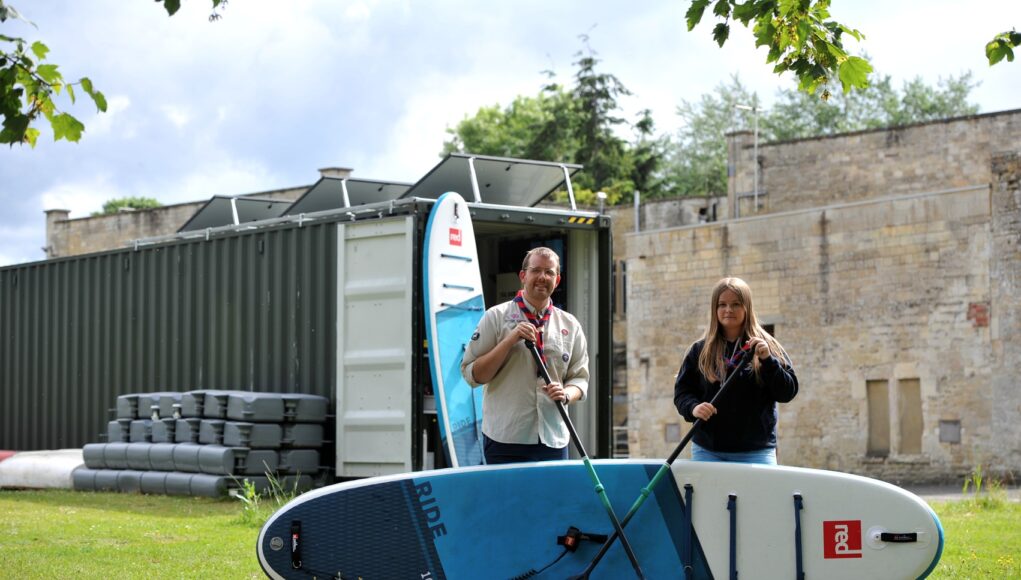
Solar installations feature heavily this year, with Derry Hill United FC (£4,700) and Wiltshire West District Scouts (£2,620) receiving funding for rooftop panels and solar lighting. Ogbourne St George Village Hall will use its £1,800 to upgrade windows and LED fittings to cut energy use.
In West Lavington, Dauntsey Academy Primary School has secured £4,800 for a new pond-dipping platform, outdoor seating and improved wheelchair access. Bishops Cannings Village Hall will develop rainwater management for its wildlife garden, while Corsley War Memorial Playing Field will invest £3,000 in its “Knowledge Trees” project to expand orchard-care education.
WWCE has also supported wider community events, including sponsoring Salisbury Transition City’s successful People in the Park sustainability festival earlier this year.
Community Fund committee lead Jon Bateman said momentum from WWCE’s growth has allowed the group to fund more projects than ever.
“I look forward to seeing the positive impact they make on people across the county.”
Several initiatives funded last year have now been completed — including a sensory wildlife garden for Meadowbrook CIC, solar lighting for Equinox Scouts, and rooftop solar panels for Ashton Keynes Village Hall.
Applications for 2026 grants are open now, with submissions received by 26 January to be reviewed at the Fund’s next meeting on 9 February. Details and application forms are available at wwce.org/community.