Tucked away on the Gloucestershire border lies Westonbirt, The National Arboretum – a vast and vibrant landscape that might just be one of Britain’s best-kept natural secrets. Managed by Forestry England, this living, breathing archive of over 15,000 trees is doing far more than offering a scenic stroll. It’s a frontline defence in the fight to reverse the UK’s biodiversity crisis.
It’s no secret that Britain is facing a grim truth. The 2023 State of Nature Report didn’t pull its punches – species studied in the UK have seen an average 19% decline since 1970. One in six is now under serious threat of extinction. For a country famed for its rolling hills and green fields, we’re alarmingly short on functioning natural habitats.
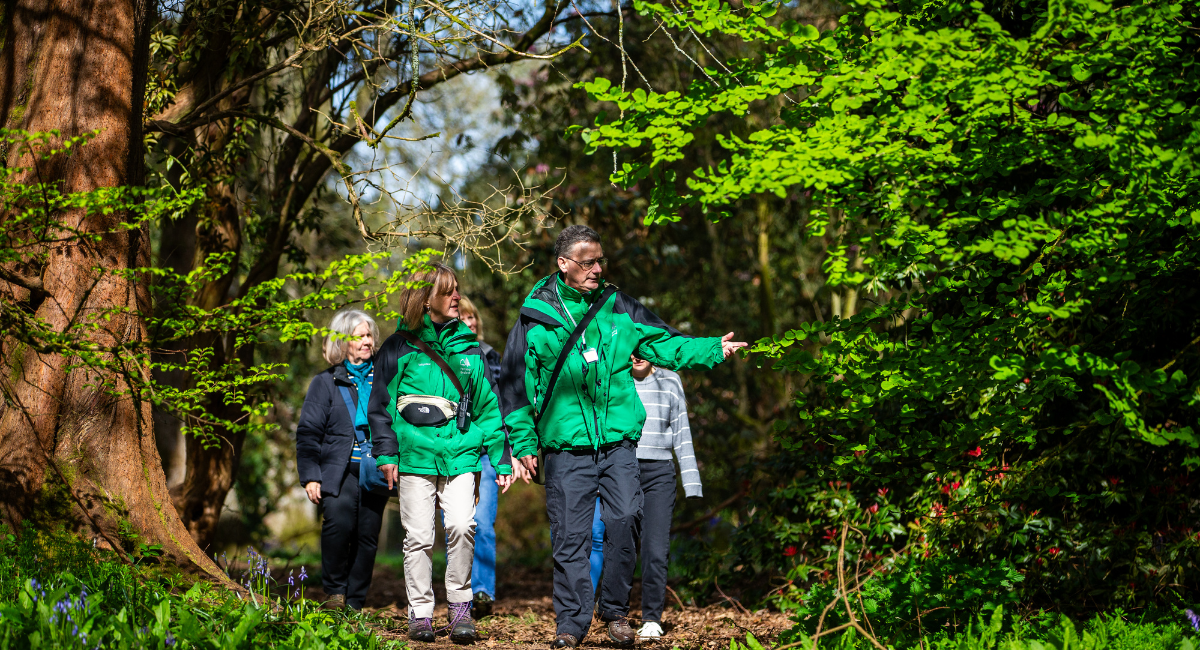

That’s where places like Westonbirt come into their own. Rich in habitats and teeming with life, this arboretum is actively reversing some of the damage. Through year-round conservation efforts, the team at Westonbirt are making it possible for wildlife to not just survive, but begin to thrive again.
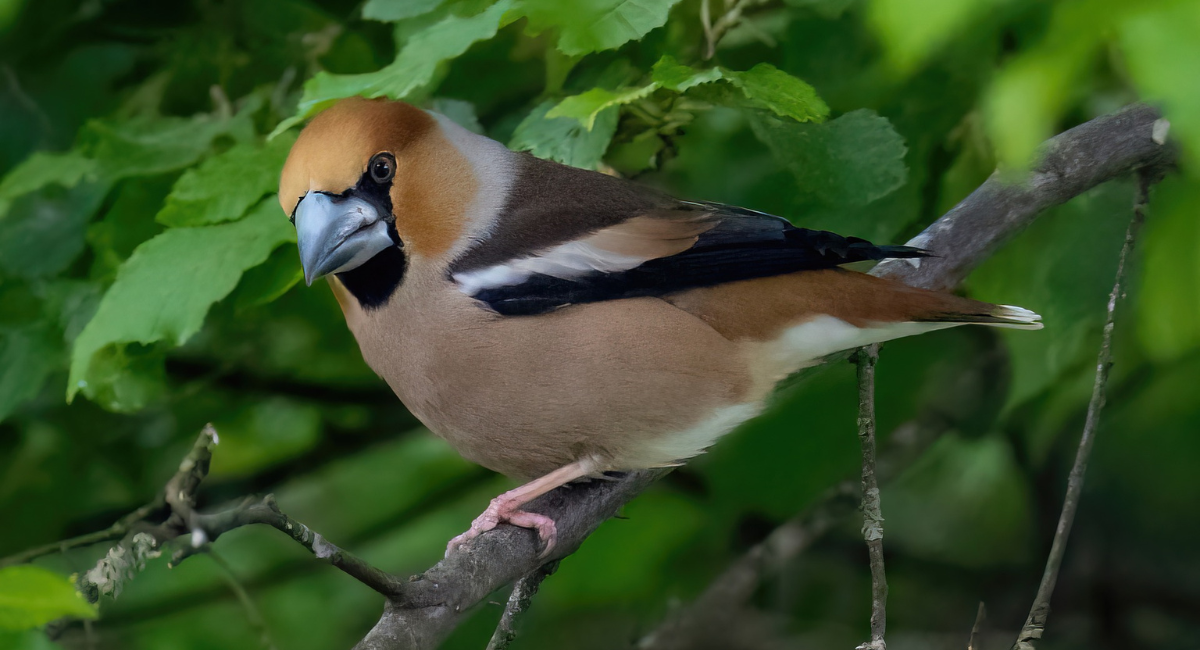
The hawfinch, a striking yet elusive red-listed bird, is just one such example. Spotted recently by visitor Ian Peters, it’s a rare find – fewer than 1,000 breeding pairs remain in the UK. “It was a real moment,” said Ian. “I didn’t even recognise it at first. Turns out, it was my first ever hawfinch – incredibly exciting.”
Efforts on the ground include installing dormice and pine marten nesting boxes, managing ancient woodlands, and even grazing cattle during the winter months to encourage wildflower growth. It’s all part of a bigger picture – to create a haven where rare wildflowers, butterflies and bees can flourish once more.
The numbers speak volumes. In 2022, Westonbirt volunteers counted more than 2,000 meadow brown butterflies – more than on any other monitored site in Gloucestershire. Of the UK’s 24 bumblebee species, 10 have been spotted here. It’s a quiet but clear indication that something is going right.
But Westonbirt’s team aren’t content with behind-the-scenes conservation alone. They’re passionate about involving the public too. This spring, they’ll be hosting their very own ‘BioBlitz’ weekend (26–27 April), inviting visitors to help record as many species as possible in 48 hours. It’s a chance to become a ‘Citizen Scientist’ and discover the magic of biodiversity firsthand.
Learning Officer Ellen Whitby sees these moments as vital: “I love seeing people – especially children – making connections with nature. Whether it’s learning about pollinators or building a bug house, everyone has a part to play. These experiences spark lasting change.”
And for families, there’s more than enough to keep the younger ones involved. From now until 31st May, children can take part in the Biodiversity Detectives spring trail, searching for signs of life among the trees, leaves and soil. The aim? To foster curiosity, appreciation, and perhaps even inspire the conservationists of tomorrow.
Other upcoming events include ‘Community Woodland Day’ on 17th May – where visitors can get hands-on with tree care and planting – and Woodland Webs from 27th to 29th May, which explores the intricate connections between species in a woodland ecosystem.
In a world where biodiversity loss often feels like an unstoppable tide, Westonbirt offers a glimmer of hope – proof that nature can recover, with care, collaboration, and a little curiosity from us all.
For further information on spring events at Westonbirt Arboretum, visit:
www.forestryengland.uk/westonbirt/spring-westonbirt-arboretum