Step back in time and uncover a chapter of Longleat’s rich history as never before. Recently released World War Two aerial photographs, meticulously preserved by Historic England, cast a revealing spotlight on Longleat’s significant role during the wartime era.
Captured by the skilled lenses of the US Army Air Forces (USAAF) Photographic Reconnaissance units, stationed across English bases in 1943 and 1944, these black-and-white images offer an enthralling glimpse into a time of upheaval and resilience. The USAAF, propelled into action following the US entry into the war in December 1941, documented the evolving landscape of war-torn England from the skies above.

A remarkable collection of 3,600 individual photographs, unveiled to the public for the first time by Historic England, provides a tapestry of life during the war, etching its effects across the nation.
Among these historical treasures, an aerial snapshot of the Longleat Estate in Wiltshire emerges as a crucial resource for Dr. James Ford, the Curator of Longleat House.
Dr. Ford enthusiastically shares, “This extraordinary aerial photograph, captured in 1944 above Longleat, offers an unparalleled visual narrative of the Estate’s profound contribution to the war effort during the tumultuous Second World War.”
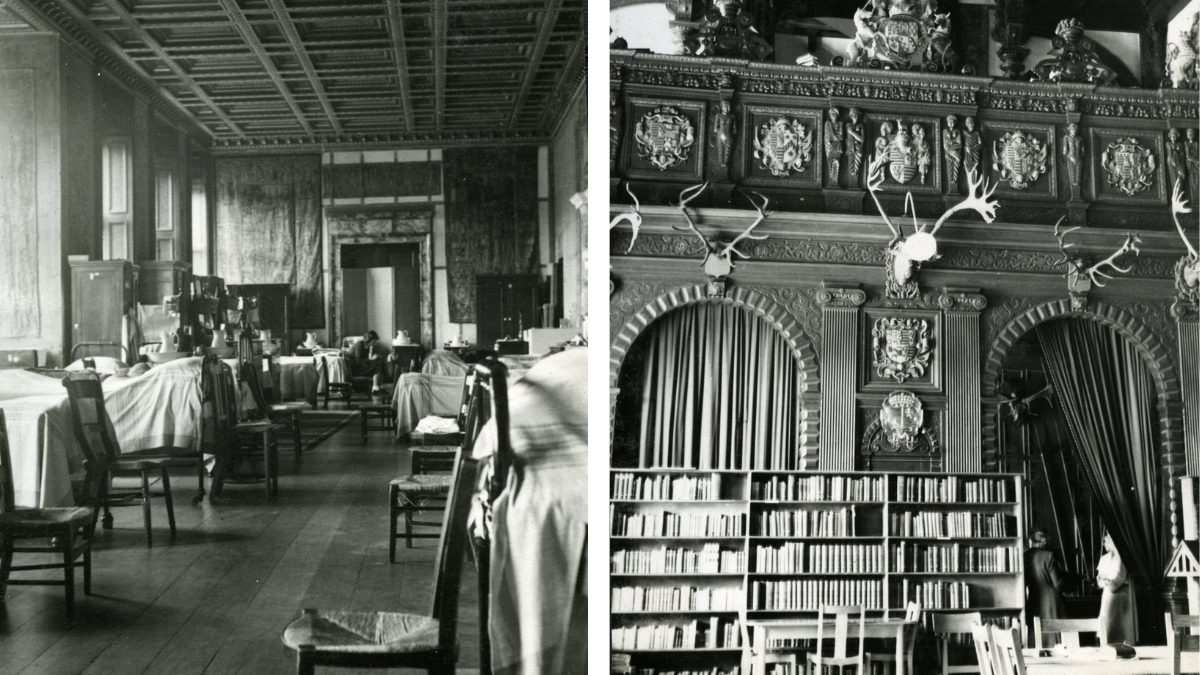
The image paints a vivid tableau, revealing key elements of wartime life etched across the estate. Dr. Ford continues, “In the lower segment of the image, one can discern the structures that graced the west lawns of Longleat House—housing the Royal School for Daughters of Officers of the Army, a poignant symbol of the war’s impact. This institution, having relocated from Bath to Longleat, played a vital role in providing education amidst adversity.”
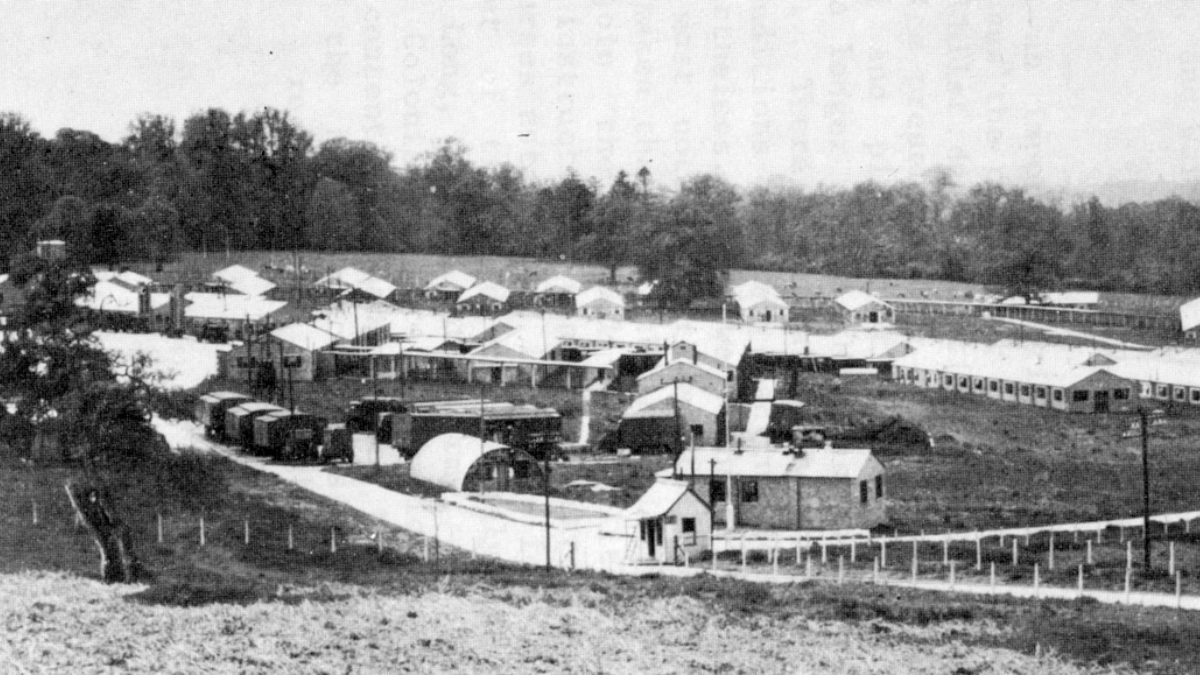
As our gaze ascends, the lens captures the sprawling expanse of a US military hospital—an anchor of care and healing that occupied space within Longleat Park, now home to the iconic Safari Park. In the upper reaches of the image, the elusive RAF Crabtree depot materialises within the enigmatic embrace of the woods, nestled near the present-day entrance to Longleat.
Dr Ford reflects on the significance of these fleeting imprints, remarking, “Physical traces of these transient wartime additions have largely faded into history. However, this compelling image acts as a time portal, granting us fresh insights into a pivotal epoch in Longleat’s, and indeed our nation’s, heritage.”
Echoes of the wartime past resound beyond the confines of the photograph. The roadways that crisscross Longleat’s renowned Safari Park continue to trace the pathways forged by the US military. Even today, remnants of structures harken back to their role as part of the RAF depot—a tangible link to the past.
Longleat House itself stood as a beacon of support, offering refuge to evacuated schoolchildren from Bath, a testament to the estate’s unwavering commitment to its community.
The release of these WWII aerial photographs offers a unique lens through which to explore Longleat’s wartime narrative. It is a portal into a time of resilience, unity, and transformation—a tribute to the enduring spirit that defines both Longleat and the nation it represents.