
Delving into the realm of gaming, a recent study by Better Gyms and Leisure has shattered stereotypes, uncovering a plethora of positive effects associated with the gaming world.
Contrary to conventional beliefs, the findings depict a diverse picture of gamers and eSports professionals, showcasing the myriad benefits gamers experience in their day-to-day lives.
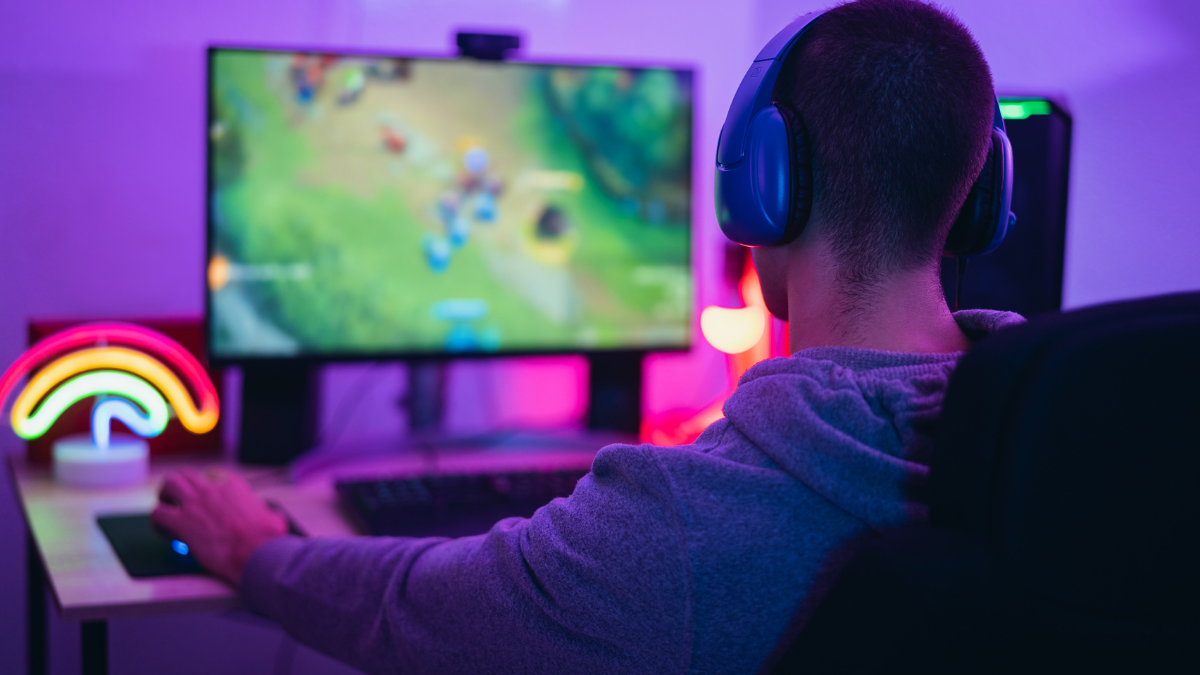

The study engaged over 2,000 participants in the UK, including close to 1,000 gamers, challenging perceptions and shedding light on the untapped potential within the gaming industry highlighting misconceptions about gamers’ lifestyles, sleep patterns, and career perceptions.
An overwhelming 96% of gamers reported positive effects, ranging from improved attention span (33%) and stress relief (50%) to a sense of escapism (48%) and enhanced mental health (30%). Gaming emerged as a means for players to connect online, offering a temporary escape from real-world stresses.
Contrary to the stereotype of sedentary gamers, the research revealed that gamers spend more time outdoors than non-gamers. Sleep duration showed a mere 12-minute difference between the two groups, debunking the myth of sleep-deprived gamers.
Despite the gaming industry’s colossal worth of US$227 billion, with UK consumers contributing £2.6 billion in 2022, 86% of respondents in the UK believe eSports athletes do not deserve the same recognition as traditional athletes. Only one in five views eSports as a legitimate form of competitive sport, and the majority resist its inclusion in the Olympics.
Over half of the UK population (54%) believes gaming can lead to social isolation, and three in 10 associate it with poor mental health. Concerns include a lack of exercise (58%), an unhealthy lifestyle (47%), and a poor diet (42%).
While current perceptions are divided, a quarter of Brits foresee the potential for eSports to attain the same level of popularity as traditional sports in the future, hinting at a potential shift in attitudes.
Nathan David, Head of Foundation at the College of Esports (CoEs), emphasised the importance of recognising the mental and psychological aspects of eSports. He anticipates a shift in perception over the next 5 to 10 years as misconceptions are addressed.
Despite the industry’s rapid growth, careers in eSports and gaming rank among the least popular, trailing behind lawyers, healthcare workers, and professional sports athletes. The study unveiled a lack of awareness regarding eSports careers, including their earning potential and gender distribution.
As the gaming industry continues to evolve, this study serves as a catalyst for reconsidering preconceived notions and recognising the diverse, positive impact gaming can have on individuals’ lives.