Bats have long been associated with Halloween, but at Longleat Estate in Wiltshire, the real-life creatures are playing a vital ecological role rather than casting shadows of superstition. Recent surveys at the estate revealed an impressive 14 bat species calling Longleat home, including some of the rarest in Britain.
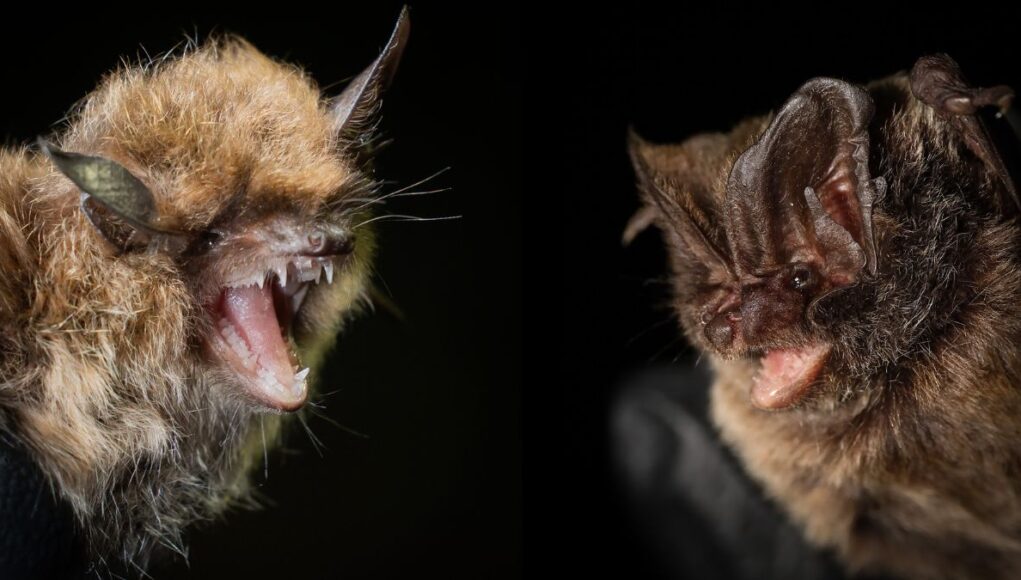
Among these species, Bechstein’s bat stands out as one of the UK’s rarest, primarily due to the historic loss of ancient woodlands, says Longleat’s conservation and research manager, Dr Tom Lewis. “Bechstein’s bat, which we believe is breeding on the estate, relies upon well-connected wooded landscapes for survival,” Dr Lewis shared, noting the particular mix of woodlands, hedgerows, and river corridors that these bats need for roosting and foraging.
“Alongside Bechstein’s, we’ve also recorded Greater horseshoe and Lesser horseshoe bats,” said Dr Lewis, highlighting their restricted populations and vulnerability. Additionally, four species found at Longleat are listed on the conservation red list for British mammals due to sharp declines. These include the Barbastelle bat, Serotine, Leisler’s bat, and Nathusius’ pipistrelle bat.

Bats play a vital part in pest control, feeding on insects such as moths, beetles, mosquitoes, and even spiders. Yet, as Dr Lewis explained, “Bat populations suffer as insect numbers decline, which is unfortunately a trend we’re seeing now.”
Longleat’s two-year survey project, funded by Farming in a Protected Landscape, involved acoustic detectors and catching surveys to pinpoint which bat species were thriving on the estate. The survey found ample evidence of breeding and even maternity roosts, underscoring the estate’s importance for bat conservation. This follows other recent discoveries of rare species breeding on-site, including beaver kits and a pine marten spotted last month.
Dr Lewis attributed Longleat’s strong biodiversity to its low-intensity woodland management, which allows the area to provide abundant food, minimal disturbance, and suitable roosting habitats. “To have so many native species living and breeding here is fantastic because it just shows how good the habitat is for these species,” he remarked.
As part of Longleat’s ongoing commitment to wildlife conservation, Dr Lewis and his team hope to extend these studies to encourage further species and raise awareness about bats’ ecological role. “Each species has its own interesting traits,” Dr Lewis added. “We should be celebrating these incredible, tiny animals, not fearing them.”
The study was carried out by Gareth Harris Ecology & Conservation and Wiltshire Bat Group, under Natural England Licence permissions, with photographs provided by Sierra Larsen.