A chorus of criticism has erupted over the Government’s controversial Planning & Infrastructure Bill, with conservation leaders accusing ministers of tearing up promises to protect nature and misleading the public about the true drivers of economic growth.
New research released today dismantles the claim that wildlife protection is obstructing development. In fact, species such as bats and great crested newts are cited in just 3% of planning appeal decisions, underlining that nature is far from being a major barrier to building.
But as the Bill passes a critical stage in Parliament, The Wildlife Trusts and the RSPB are calling for the complete removal of Part 3 – the so-called ‘Nature Recovery’ section – branding it a deceptive and destructive clause that threatens irreplaceable habitats.

Jo Lewis, chief executive of Wiltshire Wildlife Trust, described the Bill as a betrayal of election pledges: “This Government promised a win-win for nature and growth. Instead, we’ve got missing safeguards and farmers left high and dry. Wiltshire, with some of Britain’s last chalk stream habitats, stands to lose the most.”
The warning comes alongside the release of a new public poll conducted by Savanta, which reveals widespread disillusionment with the Government’s approach to the natural world:
- Just 26% of voters believe the Government is taking the nature crisis seriously.
- Only a quarter feel their voices are heard in planning decisions.
- A mere 25% would support new developments that harm the local environment.
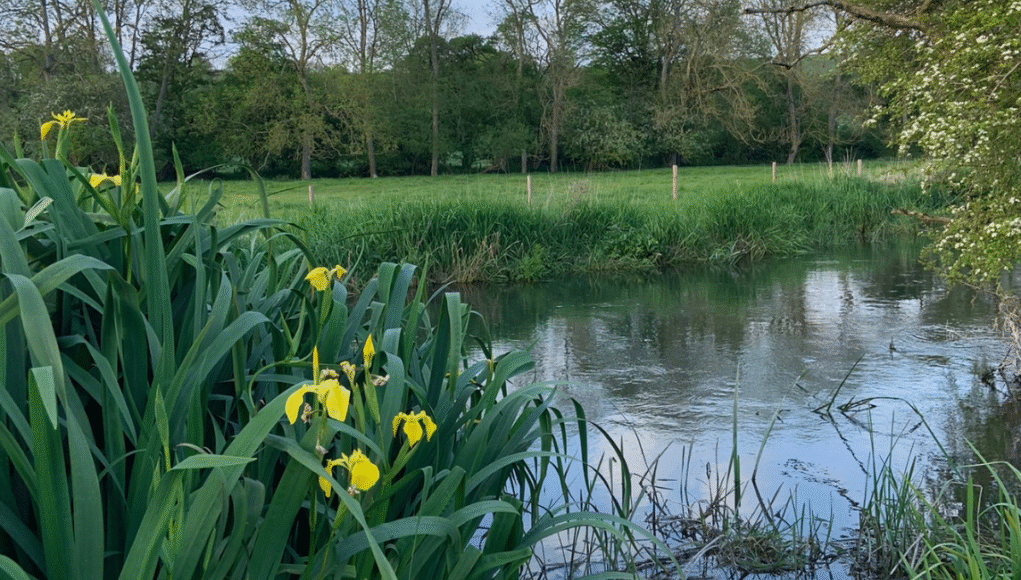
The Office for Environmental Protection has already deemed the Bill ‘environmentally regressive’, and concern is mounting that treasured natural spaces like the New Forest and Wiltshire’s chalk landscapes – including the River Wylye, River Og and River Avon – could be irreparably damaged.
Craig Bennett, chief executive of The Wildlife Trusts, was scathing: “This isn’t nature recovery – it’s a free pass to destroy. The Government’s own watchdog has warned this Bill weakens protections that have served us for decades. Nature isn’t the problem – poor planning is.”
The Wiltshire Wildlife Trust, alongside national partners, had proposed a raft of constructive amendments – including mandatory protections for chalk streams and ancient woodlands. All have been dismissed by Government.
RSPB chief Beccy Speight added: “This Bill risks putting our most cherished natural places at risk. From the dawn chorus to ancient woods, it’s the natural treasures that support our health and wellbeing – and they’re under threat. The only sensible course now is to strip out Part 3 completely.”
The legislation would not only remove current protections, but also strip away guarantees that new developments will offset the damage they cause – potentially replacing local natural spaces with compensation sites miles away.
As it stands, the Bill threatens to roll back decades of environmental progress in a country already recognised as one of the most nature-depleted in Europe.
The Government’s framing of the issue – casting nature as a roadblock to progress – appears increasingly detached from both evidence and public sentiment. With no meaningful amendments on the table, campaigners argue the only remaining solution is to remove the most damaging elements of the Bill before irreversible harm is done.