A recent study has revealed that more than 110,000 small businesses across the UK are teetering on the brink of collapse due to a lack of cash reserves.
The SME insights report, conducted by Dojo, highlights the precarious financial situation many small and medium-sized enterprises (SMEs) are currently facing, with rising costs and economic uncertainty contributing to the growing crisis.
According to the Dojo report, a staggering 2% of UK SMEs surveyed, representing an estimated 110,940 businesses, have no cash reserves left to sustain their operations. Additionally, 0.2%, or around 11,094 SMEs, have less than a month’s worth of cash available, leaving them extremely vulnerable to even the slightest financial disruption.

The report, which delves into the financial health of SMEs across the country, paints a concerning picture. While 30% of businesses have five to six months of cash reserves—a relatively healthy buffer—the majority of businesses are operating with significantly less. Nearly 30% of SME owners disclosed that they have less than four months’ worth of cash left, placing them in a perilous position should economic conditions worsen.
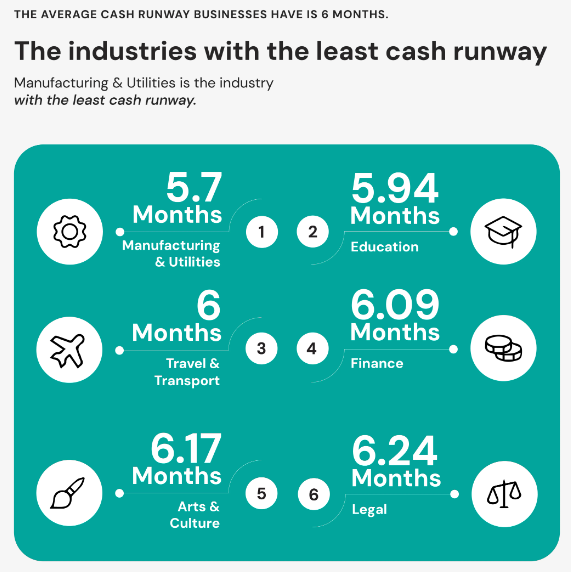
Business owners are grappling with various financial challenges, with 30% citing soaring inflation and high interest rates as their biggest concerns for 2024. Alarmingly, the survey also found that one in six SME owners lacked confidence in their understanding of the term “cash runway,” a critical metric that measures how long a business can continue to operate before its cash reserves are depleted.
Mya Akbar, a business accounts expert who provided insights for the Dojo report, stressed the importance of maintaining a solid cash reserve. “It’s generally recommended that a small business maintains a cash reserve of at least 3 to 6 months’ worth of operating expenses,” Akbar said. “However, businesses in more volatile industries may need a longer reserve, ranging from 6 to 12 months.”
Akbar further elaborated on the benefits of having a robust cash reserve, emphasising its role in ensuring consistent operations, offering a buffer for unforeseen expenses, and reducing financial stress—a sentiment echoed by 30% of SME owners who cited financial stress as their primary concern.
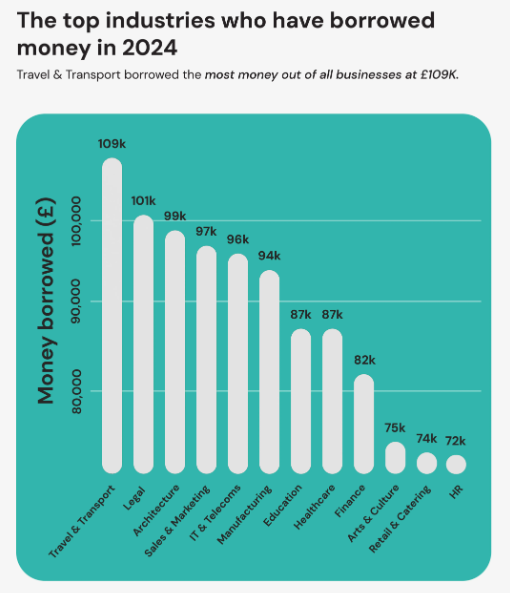
The study also highlighted the stark reality that just 2% of UK SMEs have more than a year’s worth of cash reserves, underscoring the vulnerability of the majority of businesses to long-term financial instability. This financial fragility, coupled with external pressures such as late payments—a problem faced by 49% of SMEs according to the poll—could push many businesses over the edge without urgent support.
For small businesses struggling to maintain their cash flow, there are several avenues of support available. The UK Government offers a range of grants tailored to businesses of different sizes and sectors, which can be accessed through the business finance and support finder. Additionally, recent government initiatives aimed at tackling late payments may provide some relief to SMEs, helping them improve their cash flow and secure their financial future.