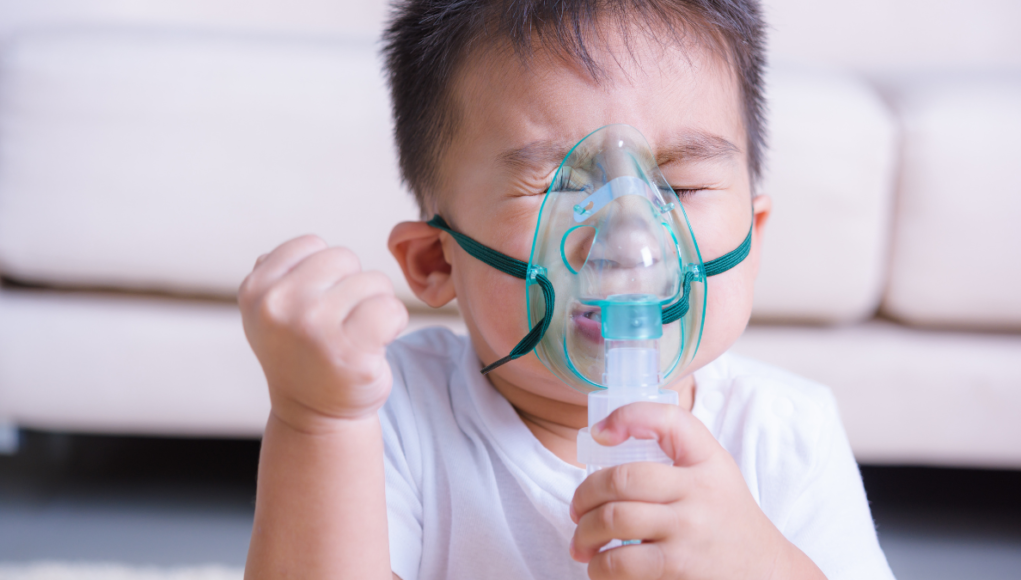
The NHS in Bath and North East Somerset, Swindon, and Wiltshire is encouraging parents and carers to look out for symptoms of Respiratory Syncytial Virus (RSV) in young children, anticipating a rise in cases over the winter season.
RSV is commonplace among young people during winter and typically spreads through coughs and sneezes. Nearly all children contract it by the age of two, and while it may cause a cough or cold in older children and adults, it can lead to bronchiolitis in young children.
Dr Amanda Webb, Chief Medical Officer at Bath and North East Somerset, Swindon, and Wiltshire Integrated Care Board, emphasised the importance of recognising signs and symptoms and seeking advice if needed, especially for those under two.

Symptoms of RSV in children, usually appearing within four to six days of infection, include a runny nose, decreased appetite, coughing, sneezing, fever, and wheezing. Dr Webb notes, “Most children infected with RSV will only experience mild symptoms, appearing in stages. In very young infants, symptoms may include irritability, decreased activity, and breathing difficulties.”
While minor symptoms like sore throats and blocked noses can be checked with a pharmacist, difficulties in breathing, inadequate fluid intake, or worsening symptoms require prompt attention.
Urgent medical treatment is needed for children showing signs like grunting, lethargy, and pausing in breathing, with a call to 999 for emergency assistance.