A fascinating piece of Swindon’s prehistoric past has found a permanent home at Museum & Art Swindon. The Council-run museum, situated at the Civic Offices in Euclid Street, has acquired a dinosaur bone believed to belong to the Swindon Stegosaur—a significant herbivorous Dacentrurus dinosaur first discovered in 1874.
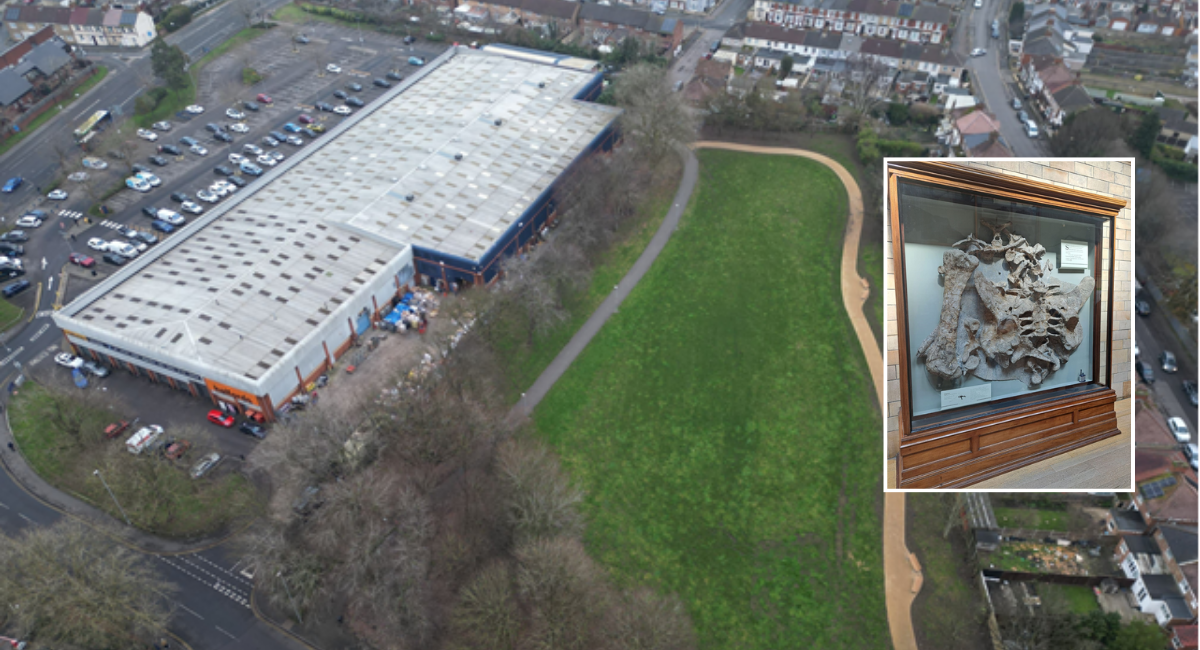
The remarkable discovery dates back to when the original fossil remains were unearthed in the clay pits of Swindon Brick and Tile Company, a site that is now home to Halford’s and The Range, as well as the green space at Spring Gardens. These fossilised remains were sent to Richard Owen, the then-director of the Natural History Museum in London, who identified it as the first stegosaur to be named and described by scientists.

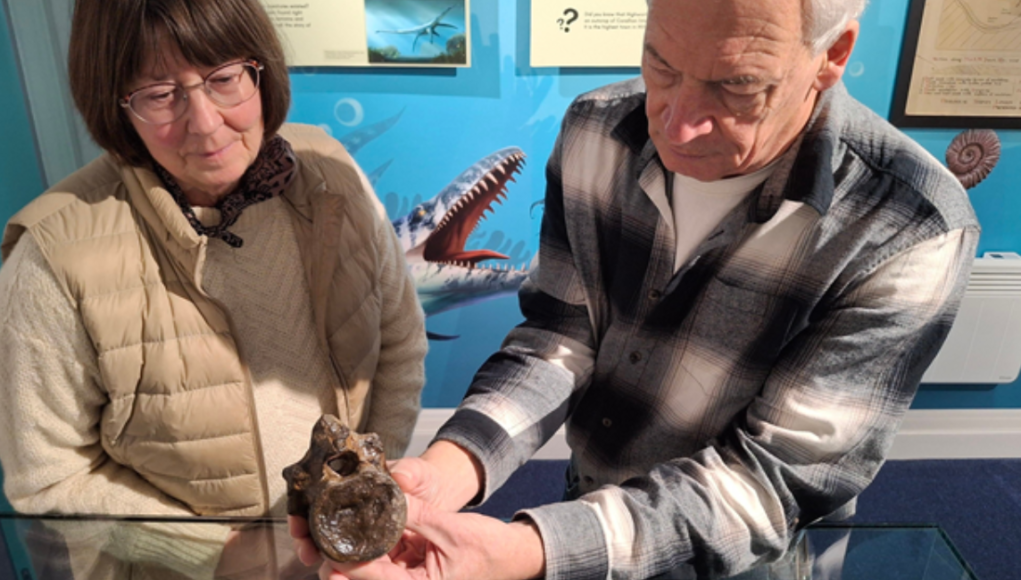
While the largest portion of the Swindon Stegosaur now resides in the Natural History Museum in London, other smaller fossil fragments were scattered across private collections. The recent acquisition by Museum & Art Swindon is a vertebra, believed to have originated from the same location in Swindon. The fossil was discovered for sale online by local fossil hunters Dr Neville and Sally Hollingworth, who have long been involved in the museum’s ‘Unlocking Collections’ project, funded by Arts Council England.
Upon recognising the specimen’s historical significance, Sally and Neville immediately alerted museum staff to the find. Sally commented, “We realised its importance straight away. When the Swindon Stegosaur was first collected, some of its original material ended up in private collections. We recognised that the vertebra for sale came from the same site where the skeleton was discovered.”
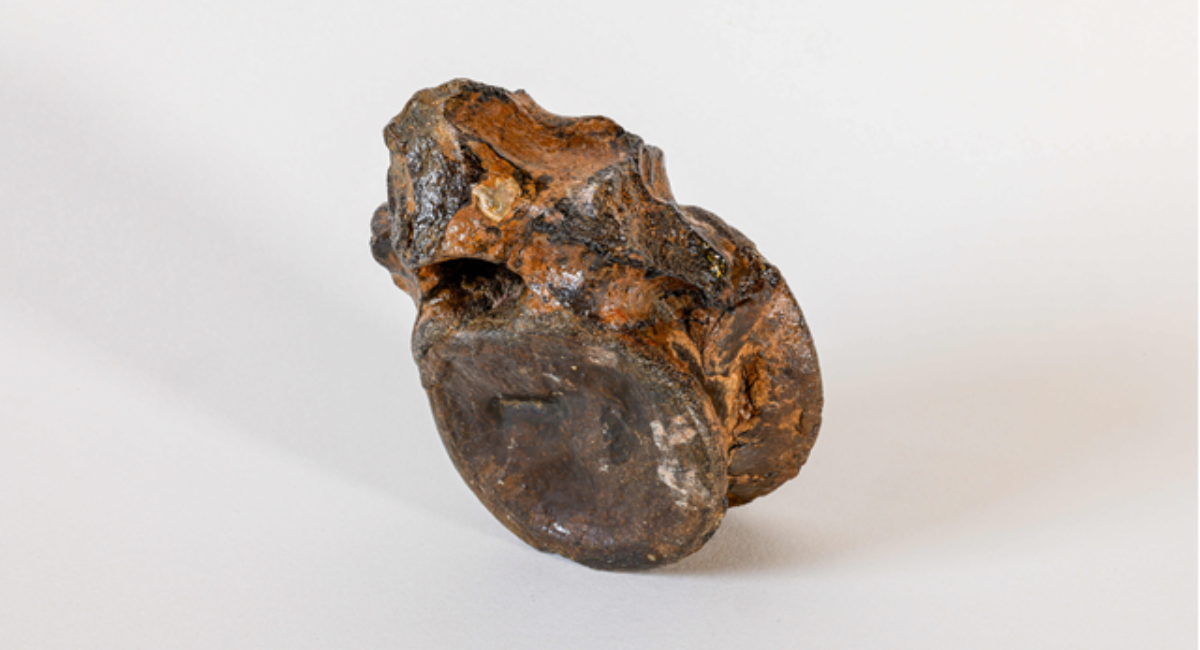
The Hollingworths are thrilled that this piece of Swindon’s Jurassic heritage has now been returned to the town. “We’re delighted that Museum & Art Swindon has put this truly unique find on display,” they said. “We hope it will raise awareness of the town’s rich prehistoric past.”
Councillor Marina Strinkovsky, Swindon Borough Council’s Cabinet Member for Placemaking and Planning, echoed their sentiments, adding: “Swindon played a significant role in the history of palaeontology, with many important fossil hunters living here or visiting in the late 19th century. The Stegosaur ignites the imagination of Swindonians, and it’s fantastic to see a piece of it coming home. I recently saw the stegosaur fossil in the Natural History Museum, and it’s great to see Swindon represented in such a prominent London institution.”
Visitors to Museum & Art Swindon can now view the stegosaur vertebra as part of the ‘Swindon Rocks’ gallery. Later in the year, it will also feature in the Arts Council England-supported ‘Fossil Hunters’ exhibition, offering even more opportunities to explore the fascinating world of prehistoric Swindon.