Despite thousands of defibrillators now installed in public places across the UK, the majority of people who suffer a cardiac arrest still collapse without one close at hand. That’s because 72 per cent of cardiac arrests happen at home.
With survival chances falling by ten per cent for every minute that passes without defibrillation, medical innovators say the answer lies in making Automated External Defibrillators (AEDs) available in private households.
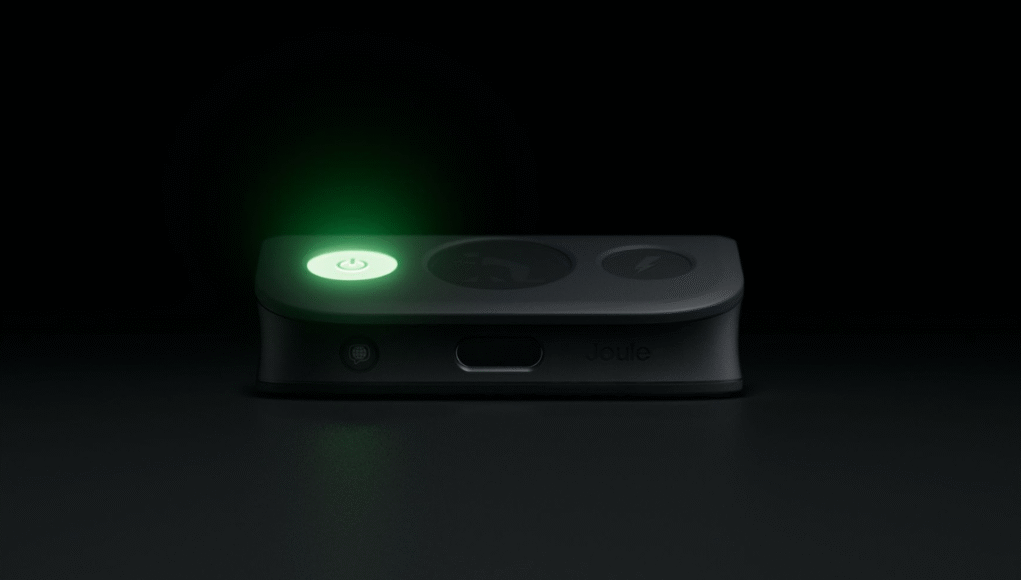
Joule Medical, a spin-out from Danish tech firm OOONO A/S, is developing what it describes as the world’s smallest defibrillator – a lightweight device designed to be kept at home and carried on the go.

“We want to democratise heart defibrillators and make them as common as a first aid kit,” said Jacob Løth Christensen, CEO of Joule Medical. “For most people, cardiac arrest is something they hope never to face – but if it happens, having a simple, portable AED to hand could mean the difference between life and death.”
Backed by €13.4 million in investment since its launch in 2021, Joule Medical is now preparing a crowdfunding campaign via Crowdcube, which will open this month. The device, called Joule, is expected to reach consumers by 2027.
The need for faster access
The average ambulance response time in the UK is around eight minutes – far too long for many cardiac arrest victims without early defibrillation.
“CPR buys valuable time, but it’s not enough on its own,” said Christian Walther Øyrabø, co-founder and CEO of parent company OOONO. “The next step in saving lives is wider access to defibrillators in private homes.”
The Joule device has been designed to be affordable, portable and easy to use. At an expected price of around £850 – below many current market options – it will weigh just over a pound and be small enough to slip into a handbag.
“There’s no point overloading it with complicated instructions,” added Christensen. “When someone collapses, it’s an extreme and stressful situation. You need a device that works at the push of a button, without forcing an untrained person to think about what comes next.”
From idea to innovation
The development journey has been rigorous, with Joule Medical navigating strict EU medical device regulations and approvals.
“Bringing a new medical product to market is never straightforward,” said Øyrabø. “We partnered with some of Europe’s leading specialists in medical devices to ensure the product not only works, but also meets the highest safety standards.”
Rather than compete with existing AED providers in hospitals and public venues, Joule Medical says it aims to complement them by addressing a gap in the domestic market.
“Our mission is to prepare a new demographic – ordinary households – so more people can survive a sudden cardiac arrest,” said Christensen.