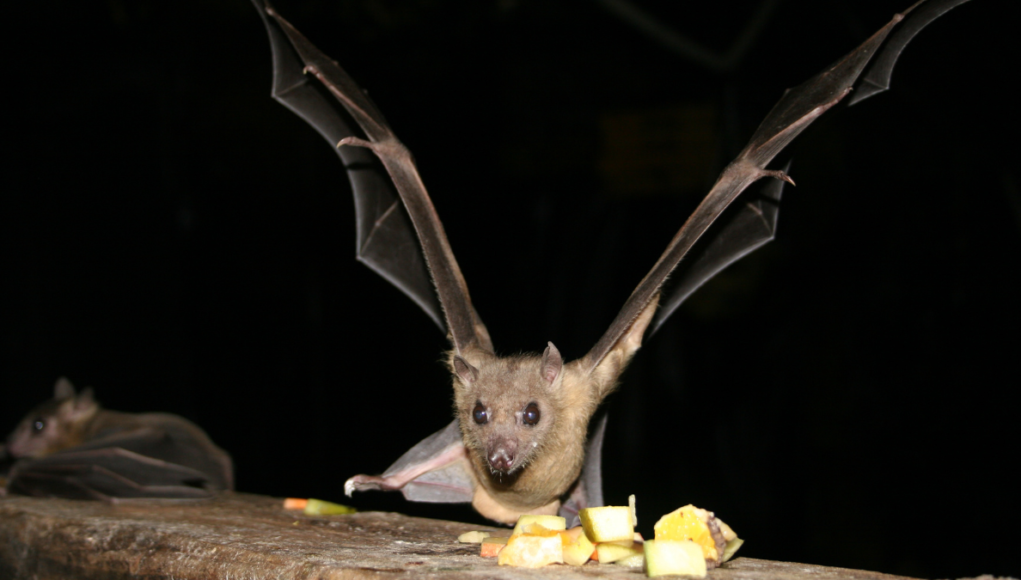
Longleat Safari Park is set to reintroduce a thrilling experience for visitors as its renowned bat cave reopens in early spring 2025. Closed in 2020 amid the pandemic, this reimagined habitat will welcome back approximately 30 Egyptian fruit bats, rekindling a popular attraction at the Wiltshire estate.
Visitors have long requested the return of the bat cave, and the decision to reopen aligns with Longleat’s dedication to conservation and education. Simon Askew, Interim Chief Operating Officer, shared the significance of the return: “We’ve frequently heard from guests how much they missed the bat cave after its closure. The views of our visitors and our keepers are crucial as we shape our approach, ensuring conservation and education remain central to what we do. We’re thrilled to bring this unique feature back with an upgraded habitat.”
Head of Animal Operations, Darren Beasley, emphasised the importance of the Egyptian fruit bat in global conservation, remarking, “It’s especially fitting to make this announcement during Bat Appreciation Week. While Egyptian fruit bats are classified as ‘near threatened’, the species may soon meet criteria for a threatened category. These bats serve as fantastic ambassadors, allowing us to engage visitors with their importance in ecosystems and dispel myths surrounding bats.”

The cave will feature an interactive educational experience where visitors can learn about echolocation, the technique bats use to navigate and hunt by detecting sound waves. Egyptian fruit bats, unlike most, produce sounds detectable by human ears, adding an unusual dimension to the encounter.
This carefully curated exhibit will also house Chico and Truffles, the park’s beloved two-toed sloths, who will relocate to join the bats. The cohabitation offers visitors a rare opportunity to see these distinctive animals in a shared habitat designed to promote their well-being while enhancing the educational experience.
Bats play a vital role in global ecosystems, pollinating numerous fruit trees, cacti, and flowering plants, including avocados, bananas, and mangoes, all while controlling insect populations. This role makes them essential contributors to biodiversity, agriculture, and disease control. Native to Africa and the Middle East, Egyptian fruit bats are traditionally found roosting in mountainous areas and caves, and were famously discovered in Egypt’s pyramids in the early 19th century.
As Longleat embarks on the next phase of its conservation mission, the return of the bat cave underscores the park’s commitment to wildlife education. With enthusiastic keepers ready to inspire curiosity and dispel bat-related myths, visitors will gain a new appreciation for these fascinating creatures.