In a world where we measure this and measure that, one pleasurable thing that we do measure annually is the flowers for the National Trust flower count in time for Valentine’s Day in the South West.
As the Trust celebrates its 125th anniversary, our garden teams have, for the fifteenth-year running, been out and about counting blooms in their gardens.
Despite the recent and unwelcome visit of storm Ciara but a lack of frost and snow has meant that National Trust garden teams have reported 2663 plants in bloom an increase of 13% on 2019. So although not here yet, Spring is officially just peeking around the corner.

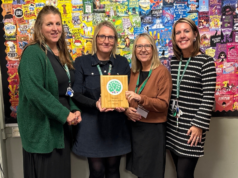
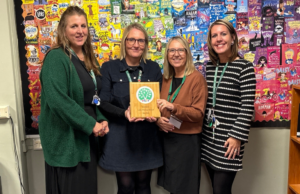
85% of people believe that being in a garden is good for the soul and nowhere can this be better demonstrated than at Lanhydrock, where three of the garden team have a combined service of over 125 years between them.
Tommy Teagle, Head Gardener for Lanhydrock said: ‘The flower count really marks the start of our season of blooms at Lanhydrock. Not only have we seen more than 155 species in flower, 84 of them different varieties of Camellia in the garden, me and George Allen Assistant Head Gardener have been working in the garden here for 42 years and Kenny Harris Nursery Manager who looks after our plant nursery with just a shade under with 41 years of service. Lanhydrock is such a big part of all our lives – we are passionate about the garden and the plant nursery and in the Trust’s 125th year are delighted to be part of that celebration.
‘The most prolific in bloom in terms of different types was Camellia, with over 450 Camellia varieties in the South West, and limited visits from Jack Frost have meant fewer than usual flowers have been spoilt said Ian Wright, National Trust South West Garden Advisor. Usually you would see some browning on the blooms due to frost or cold wind damage but this year most camellias are really displaying well throughout our gardens with many perfect blooms providing a real treat for the eyes and the cameras!
Camellias were introduced from the Far East, camellias have become firm favorites here in the South West, and they remain popular for very good reason. You can get an abundance of flowers from November through to May or even June, and even after flowers fade you still have the glossy, dark green leaves creating a perfect backdrop for other plants’, he added.
Gardens in Cornwall have seen an increase of 15% more blooms than last year, and Devon have gone up by 8%
Knightshayes followed by Saltram both in Devon have the most blooms out in any National Trust garden in the South West.
Trelissick has the most blooms out in Cornwall followed by Lanhydrock
2663 plants are blooming in this year’s 15th annual Valentine’s Flower count, 13% up on last year’s figure of 2,352.
Knightshayes had the highest number of flowers recorded with 208 plants in bloom with Trengwainton in Cornwall seeing the biggest leap with 52% more flowers in bloom than last year!
The snowdrop has been voted the most loved spring flower in a survey run with National Trust supporters on social media, narrowly beating daffodils, which had previously been voted number one for two years running.
88% of people who took part in the survey have snowdrops flowering at home, and 89% have daffodils already in bloom in their gardens or nearby. National Trust gardens at Stourhead, Kingston Lacy, Stourhead, Cotehele and Lanhydrock have also been voted the most popular places to visit to see spring flowers.
This year people who took part in their survey shared the wildlife they’d seen benefitting from spring flowers. Birds and bees have been seen in force, particularly on sunny days. One person shared that bees have been seen on their purple crocuses on days when the sun shone, and another spotted a bumblebee just before storm Ciara hit.
Birds spotted enjoying the spring flowers have included robins, bluetits, sparrows, magpies, wrens, great tits and gold finches – with a number of people reporting having seen them by the crocuses, picking off insects that are attracted to the spring colours. Mice and voles were also reported to have tucked into some eating some emerging tulips and bulbs. Other spring flowers that have been seen to be eaten by something include daffodils and primroses, and bullfinches have been seen eating camellia and prunus flower buds, and gold finches eating left over seed heads.
In 2008 3,335 plants in bloom were recorded in Devon and Cornwall, marking the earliest spring so far recorded.
Gardeners at 32 National Trust properties across the South West took part in the annual Valentine’s Day flower count which first started in Devon and Cornwall in 2006.
Gardens in the South West are usually the furthest advanced in the UK with early spring blooms and this year is no different with a 13% increase in blooms but generally we are seeing plants in flower that should be at this time of year.
- In Cornwall there were 918 blooms compared to 795 in 2019
- In Devon there were 1136 blooms counted compared to 1050 in 2019
- In Gloucestershire there were 122 blooms counted compared to 145 in 2019
- In Somerset there were 278 blooms counted compared to 250 in 2019
- In Dorset there were 132 blooms counted compared to 96 in 2019
- In Wiltshire there were 77 blooms counted compared to 16 in 2019
‘Comparing the number of plants across our gardens on a set day every year gives us a real insight into how our gardens respond to weather patterns and is a useful ‘barometer’ for the season ahead’, said Ian Wright, National Trust Garden’s Advisor.
Many National Trust gardens are already open in the South West. For more information and opening times seewww.nationaltrust.org.uk/southwest