Radiographers at 37 NHS trusts in England, including the Great Western Hospitals NHS Foundation Trust, will be taking strike action for 48 hours from 8.00am today (Tuesday 25 July) as the ongoing pay dispute with the Government intensifies.
Members of the Society of Radiographers (SoR) have voted to reject the Government’s 5% pay award and are calling for talks to be reopened after other public sector workers, including junior doctors, were offered more substantial raises.
The union expressed concern about the alarming number of professionals leaving the radiography profession, and the insufficient efforts being made to recruit new workers.

The 48-hour strike is scheduled to commence from 8 am on Tuesday and will involve the 37 NHS trusts where members have been authorised to strike. Some of the trusts affected include the Great Western Hospital, University Hospitals Bristol and Weston, Royal United Hospitals Bath, University Hospitals Plymouth and Torbay, and South Devon.
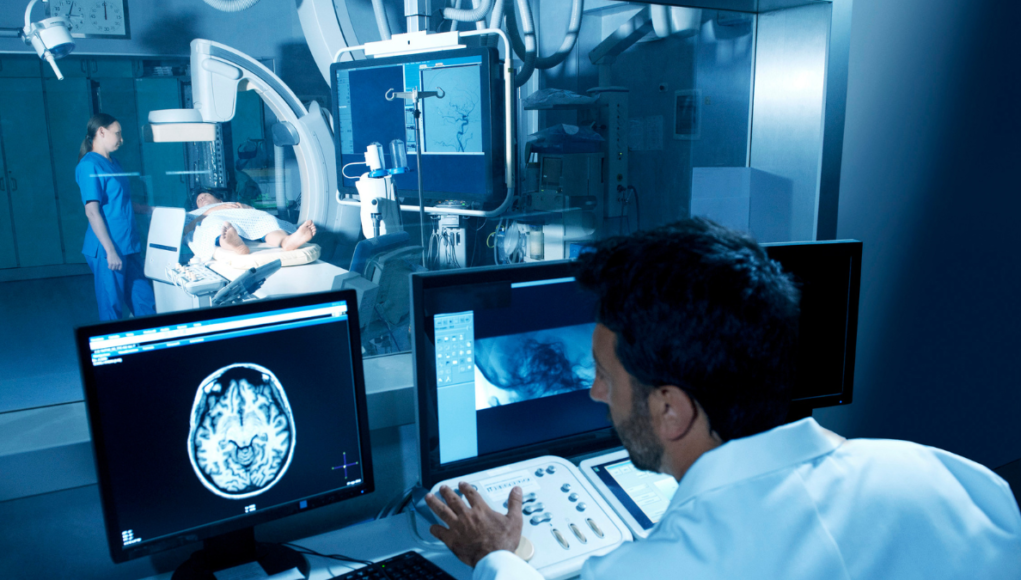
According to the SoR, nine out of 10 NHS patients receive support from radiographers, who are responsible for conducting X-rays, MRI and CT scans, ultrasounds, breast screening, and providing radiotherapy to cancer patients.
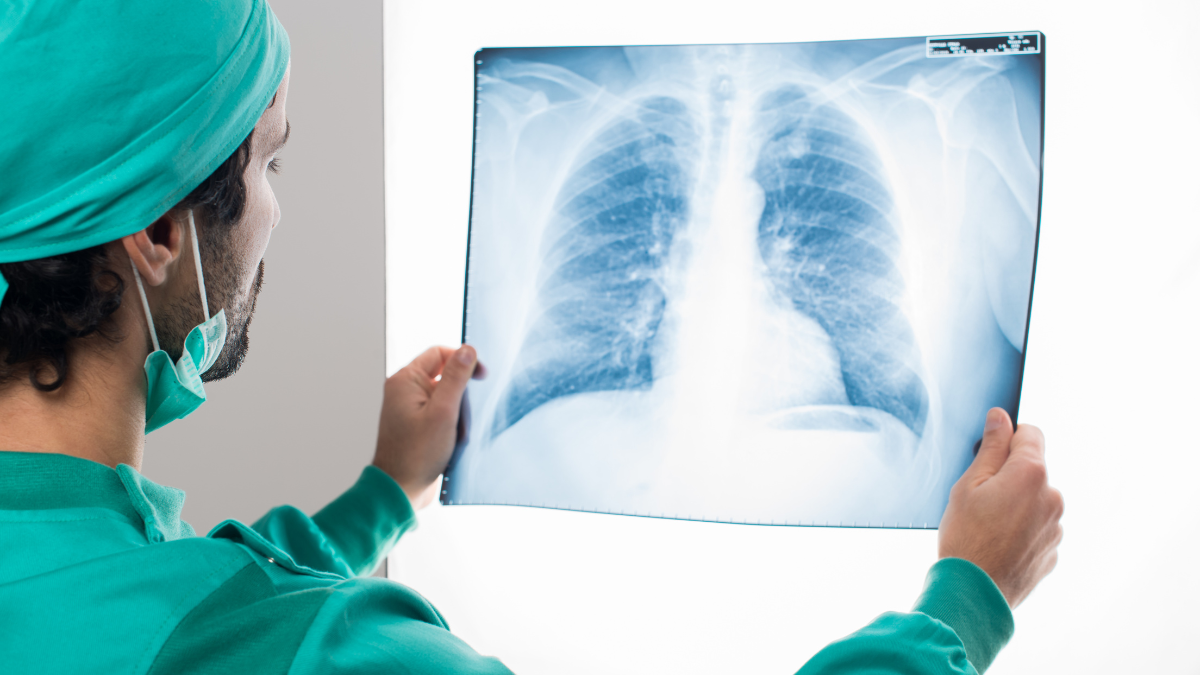
It is estimated that a million people are currently waiting for radiography services.
Union representatives from each trust have agreed that staff will provide “life and limb” emergency cover for patients during the strike, ensuring staffing levels similar to those on Christmas Day and Boxing Day.
Dean Rogers, the executive director of industrial strategy and member relations for the SoR, expressed the difficulty members faced in deciding to take strike action, as their primary concern is the safety and well-being of patients. Rogers emphasised the need to address the issues of low pay and increased working hours, which have resulted in radiography professionals feeling burnt out and leaving the NHS without adequate replacements.
Rogers added that if the Government truly wishes to reduce NHS waiting lists and ensure timely treatment for patients, it must prioritise the recruitment and retention of radiography professionals by engaging in discussions regarding pay and working conditions. However, despite the willingness of the SoR to engage in dialogue, the Government has been unwilling to participate in such talks.
Health and Social Care Secretary Steve Barclay urged the Society of Radiographers to call off the strikes, emphasising the need to end disruptive actions to allow the NHS to concentrate on reducing waiting lists and providing quality care for patients.
Barclay highlighted that the majority of unions on the NHS Staff Council have accepted the Government’s offer of a 5% pay rise for 2023-24, along with two significant one-off payments, benefiting over a million NHS staff, including radiographers.
In response to the strikes by consultants last week, NHS England reported that 65,557 appointments and procedures had to be rescheduled. This adds to the cumulative impact of industrial action across the NHS in the past eight months, resulting in a total of 765,000 appointments and procedures being rescheduled.
Dr. Vin Diwakar, the NHS medical director for secondary care, expressed concern over the significant disruption the strikes have caused to patients and families. The mounting backlog of appointments and procedures underscores the challenges faced by NHS services and staff in maintaining safe patient care while addressing the effects of industrial action.