The National Health Service (NHS) stands as a cornerstone of the United Kingdom’s social fabric, providing free comprehensive healthcare services to all. Its origins can be traced back to the Swindon Railway works, where the seeds of a pioneering idea were sown.
Since its establishment, the NHS has undergone significant transformations, shaping the landscape of healthcare in the UK. This article explores the journey of the NHS, from its humble beginnings to its present-day significance.
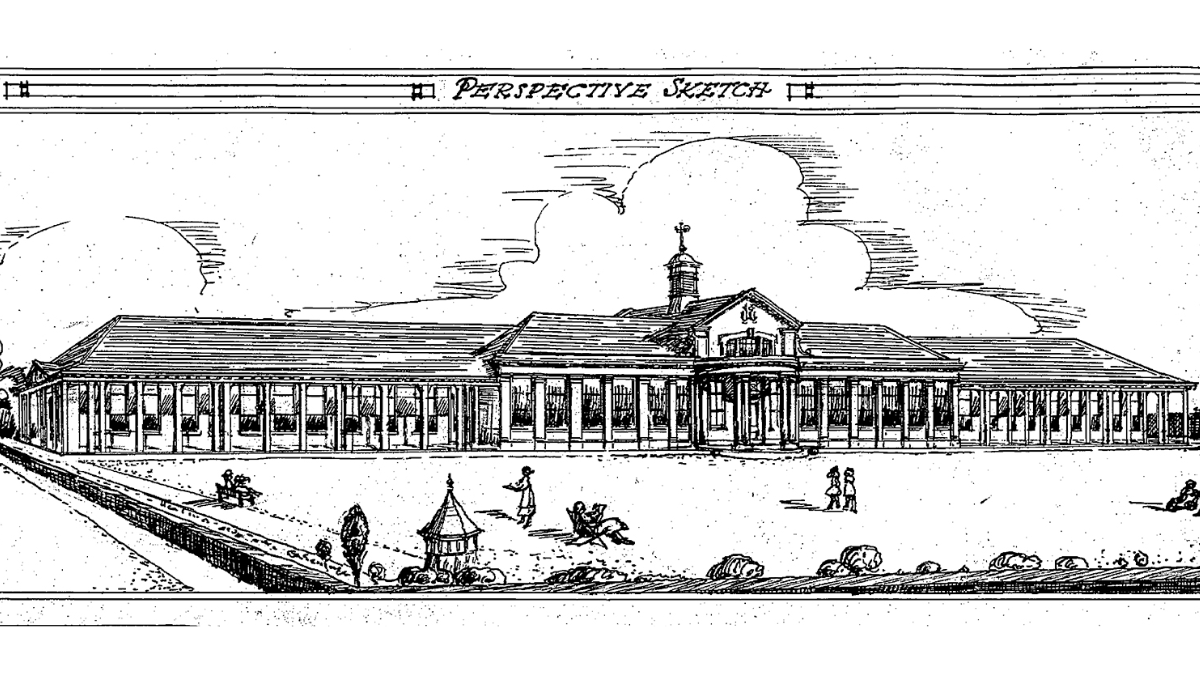

Early Beginnings: The Swindon Railway Works, operated by the Great Western Railway Company in the early 20th century, played a crucial role in shaping the future of healthcare in the UK. Recognising the importance of a healthy and productive workforce, the company implemented a pioneering healthcare system to provide medical care for its employees.
The Great Western Railway Company’s scheme aimed to ensure the well-being of railway workers and their families. It encompassed a range of healthcare provisions, including the establishment of clinics, hospitals, and health insurance schemes. These initiatives provided essential medical care, ensuring that employees received the attention they needed to stay healthy and perform their duties effectively.
Within the scheme, railway workers and their families could access a comprehensive array of healthcare services. These services included general medical consultations, access to hospitals for more serious conditions, maternity care, and support for injuries sustained while working. The Great Western Railway Company scheme acted as a precursor to the unified and accessible healthcare system that would eventually become the NHS.
In addition to providing medical care, the Great Western Railway Company also recognised the importance of preventive measures. Health promotion initiatives were implemented to educate workers about maintaining a healthy lifestyle, preventing illness, and promoting well-being. The company’s holistic approach aimed to support employees in all aspects of their health, ensuring a productive and prosperous workforce.
The Great Western Railway Company scheme laid the foundation for the principles that would later shape the NHS. It emphasised the significance of affordable and accessible healthcare for all, regardless of their socio-economic background. The company’s approach to providing comprehensive healthcare services to its employees demonstrated the feasibility and advantages of a unified system.
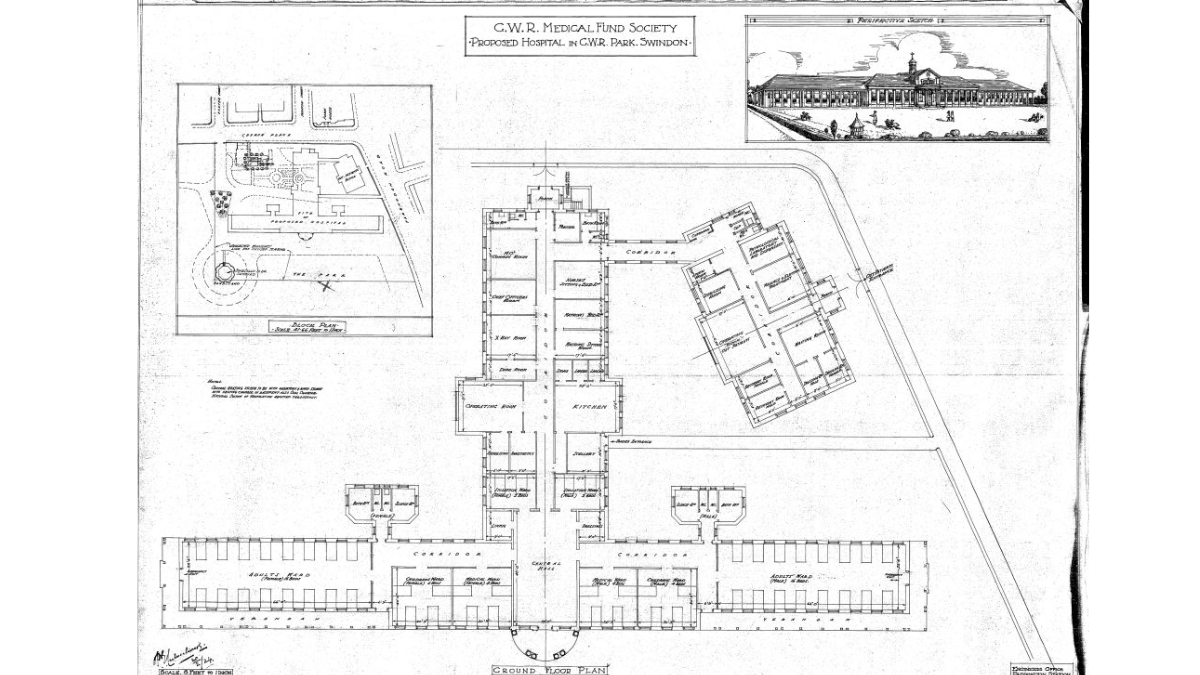
The success of the Great Western Railway Company scheme, along with similar initiatives in other industries, provided valuable insights into the benefits of a national healthcare system. These experiences and lessons learned were instrumental in shaping the vision of the NHS and its fundamental principles, including free healthcare at the point of use and the belief that healthcare is a basic right for all.
Beveridge Report and the Birth of the NHS: The groundwork for the modern NHS was laid in the aftermath of World War II. The influential Beveridge Report, published in 1942 by economist William Beveridge, outlined a vision for a comprehensive welfare state, including universal healthcare. This report provided the blueprint for the establishment of the NHS.
On July 5th, 1948, the NHS was officially launched by Health Secretary Aneurin Bevan. This historic moment marked the fusion of previously fragmented healthcare services into a single entity. The NHS was founded on the principle of providing healthcare “from the cradle to the grave” and was designed to be funded through taxation, providing healthcare services that were free at the point of use.
Challenges and Transformations: The NHS has faced numerous challenges throughout its existence. Increasing demand, funding constraints, and evolving healthcare needs have required the NHS to adapt and transform. Reforms, such as the introduction of internal markets, the creation of foundation trusts, and the integration of health and social care services, have aimed to enhance efficiency, improve patient outcomes, and meet the changing healthcare landscape.
As the NHS navigates the 21st century, it continues to be a vital institution for the nation’s well-being. The COVID-19 pandemic has highlighted the dedication and resilience of NHS staff, who have worked tirelessly to provide care during these challenging times.
The NHS Long Term Plan, unveiled in 2019, outlines a vision for the future, focusing on prevention, integrated care, digital innovation, and reducing health inequalities.
From its humble beginnings at the Swindon Railway works to its present-day significance, the NHS has become a symbol of unity, compassion, and accessibility in the UK.
It has played a pivotal role in improving the health and well-being of millions of people. As the healthcare landscape continues to evolve, the NHS will remain at the forefront of providing high-quality, healthcare services for generations to come.