A centuries-old custom was quietly revived in Frome this Pentecost, as birch trees from Longleat Forest were once again used to decorate St John the Baptist Church, continuing a local tradition that dates back at least 200 years.
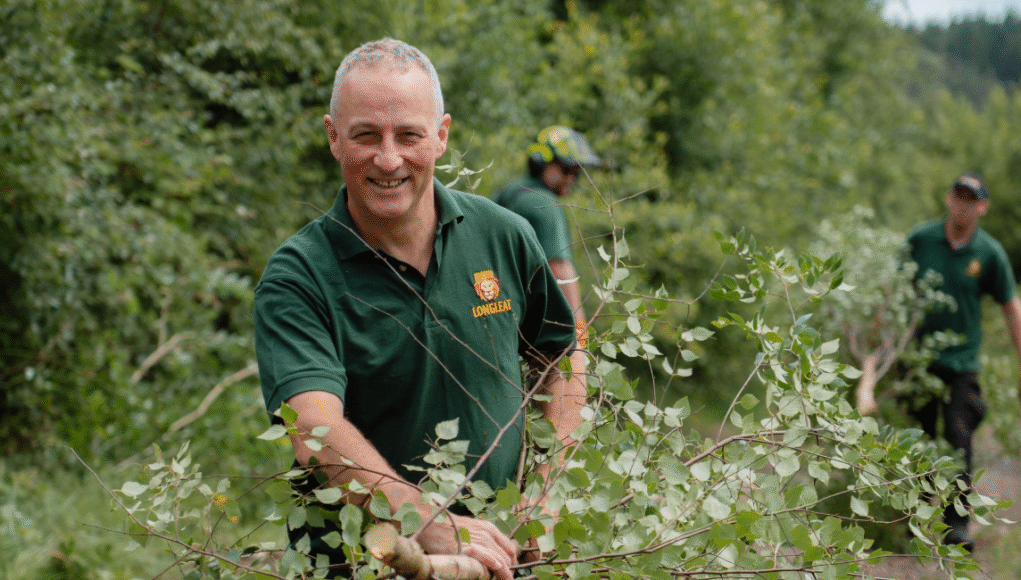
The trees, provided by the Longleat estate in Wiltshire – home to Ceawlin Thynn, the 8th Marquess of Bath and Patron of the church – were arranged with care by Head Forester Jim McConkie, helping to mark Whitsun in a way deeply rooted in the history of both church and countryside.
Inside the church, the birch branches flanked pillars and aisles, their light green leaves fluttering in the breeze – a detail that, according to Churchwarden Neil McCormick, holds spiritual symbolism as well as tradition.

“Birch is the first species to regenerate after a forest fire,” he explained. “It’s a strong symbol of new life. The rustling of the leaves, when caught by the wind, reflects the moment in the Bible when the Holy Spirit came with the sound of a mighty wind. It’s a tradition that speaks of both rebirth and presence.”
Pentecost, also known as Whitsun, commemorates the arrival of the Holy Spirit and is often regarded as the “birthday” of the Christian Church. Falling fifty days after Easter, it brings the Easter season to a close – but at St John’s, it’s also a moment to look forward.
Reverend Seamus Hargrave, vicar of St John’s, added:
“Although Pentecost remembers an event two thousand years ago, the birch branches remind us there is always new life, fresh energy and young saplings to nurture. Each rustle of the leaves is a reminder that God’s spirit is not confined to the past but breathes into the Church daily.”
The use of greenery to mark Pentecost was once widespread, but according to Mr McConkie, St John’s may now be the last church in the country keeping the birch tradition alive.
“In the 19th century, it was common for churches to be dressed with boughs – birch especially. We’re delighted to continue supporting this rare and beautiful custom at St John’s.”
The quiet continuity of this tradition offers a touching link between nature, history, and faith – a gentle reminder that even as times change, some roots still hold firm.