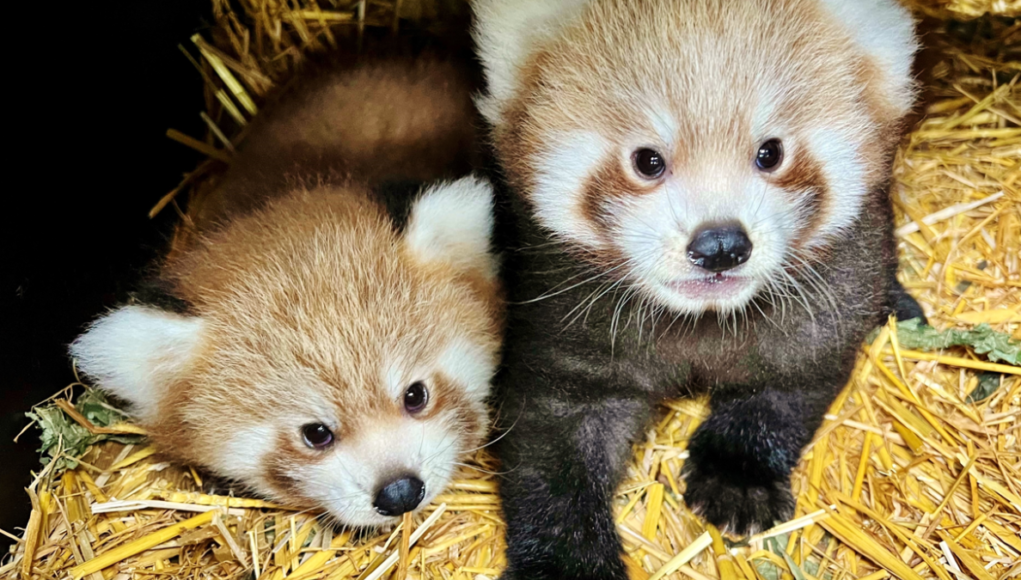
Longleat Safari Park has recently celebrated the birth of a pair of rare red panda twins, marking a significant achievement in the international endeavour to preserve this endangered species.
This heartwarming news was released to coincide with International Red Panda Day, during which Longleat is dedicated to raising crucial funds for the Red Panda Network—a noble cause that aligns perfectly with the park’s commitment to red panda conservation.


Born at the end of June, the two male cubs are thriving under the attentive care of their mother, Emma. Emma, along with her mate Lionel, plays an indispensable role in the European Endangered Species Programme for red pandas due to their diverse genetics.
Keeper Samantha Peeke expressed the significance of this birth, stating, “Every animal birth is always special and exciting, but breeding an endangered species is an incredible thing to be part of.”
As the cubs continue to grow and develop, they will eventually become valuable additions to the endangered species breeding programme, contributing to the survival of their kind.
Currently, the cubs spend most of their time inside one of the nest boxes within their enclosure, where Emma diligently tends to their needs. As they mature, they will gradually venture into the outside world, under the vigilant supervision of Emma and the park’s expert keepers.
The dedicated keepers at Longleat are devoted to ensuring the well-being of both the cubs and Emma. They closely monitor the family, adjusting Emma’s diet and environment as necessary to ensure she has everything required to care for her offspring. Regular weigh-ins for the cubs help track their growth and development.
Longleat boasts a wealth of experience in nurturing and breeding red pandas, having successfully raised six previous cubs that have gone on to join breeding programmes at other collections across Europe.
Red pandas face the grim reality of being officially classified as endangered in the wild, with their survival at a significant risk. Wild red panda populations are estimated to number as low as 2,500 due to deforestation, habitat loss, poaching, and the illegal pet trade.
These carnivorous creatures primarily subsist on bamboo, with each red panda consuming up to 20,000 bamboo leaves a day in their natural habitat. Longleat’s commitment to replicating their wild diet includes maintaining a bamboo plantation to provide a steady supply of fresh bamboo leaves.
Given the low energy content of bamboo, red pandas spend a substantial portion of their day in slumber, conserving energy. Visitors to Longleat may often spot these endearing animals dozing peacefully in the trees within their enclosure.
In addition to participating in the European Endangered Species Programme for the Red Panda, Longleat actively contributes to habitat restoration and replanting projects in Nepal—an essential component of red panda conservation efforts.
The birth of these red panda twins is not just a cause for celebration but a reminder of the collective responsibility to protect and preserve endangered species for generations to come. Visitors to Longleat can witness these remarkable cubs and be part of the ongoing mission to safeguard these charming creatures and their natural habitats.