As the economic landscape evolves and adapts to changing consumer behaviours and global uncertainties, innovative initiatives become crucial in supporting small businesses and rejuvenating local economies- something Swindon is crying out for.
A new initiative by Westminster Council and the New West End Company, providing rent-free stores and other incentives to small businesses in a bid to reopen empty stores on Oxford Street, has garnered attention and praise.
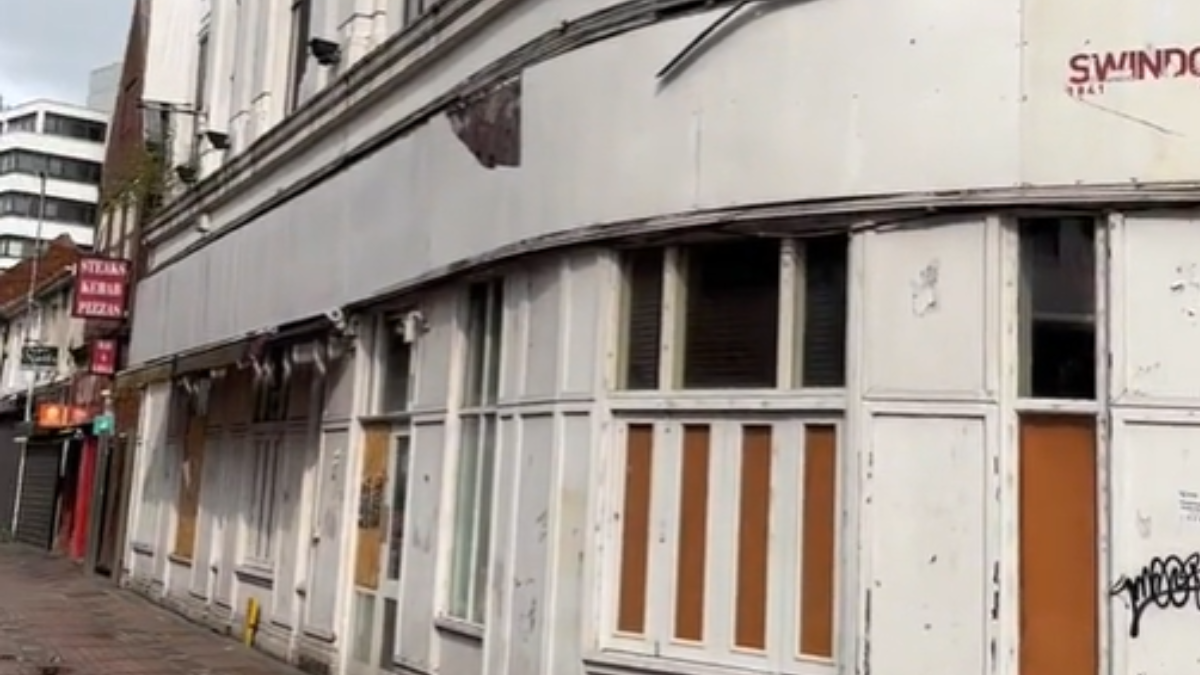

Now, the question arises whether Swindon Borough could follow suit and adopt a similar approach to boost its own local businesses and help create a thriving commercial hub.
The Westminster Offering: A Blueprint for Success
Westminster Council and the New West End Company’s joint scheme, worth £10 million, demonstrates a proactive approach to reinvigorating the area while preserving its unique character.
The primary focus of the initiative is to prevent a further influx of American Candy Shops and instead support a diverse range of small businesses that bring exciting and new offerings to Oxford Street.
The package offered to the chosen businesses is comprehensive, making it an attractive proposition for budding entrepreneurs. Rent-free shops on the iconic street provide an opportunity for businesses to establish a presence without the immediate financial burden of rent expenses. Additionally, a 70% reduction in business rates also enables businesses to its allocate resources more efficiently.
The scheme also goes beyond financial assistance by offering store fit-outs, marketing support, and business advice from independent retail consultants Someday Studios. This holistic approach aims to equip small businesses with the necessary tools to succeed in a competitive market.

The scheme is set to support around 35 new businesses over three years, with the first store opening this autumn.
Incorporating the Lessons Learned
Swindon Borough Council, with its own set of unique opportunities and challenges, could derive valuable insights from the Westminster offering.
The following key aspects warrant consideration when tailoring a similar scheme for Swindon’s local businesses:
- Identifying Target Businesses: Like Westminster, Swindon could set up a scheme to identify businesses that bring innovation and novelty to the area. By selecting brands that align with the town’s vision and resonate with the local community, Swindon can cultivate a distinct and vibrant business ecosystem.
- Flexible Store Usage: The option of single occupancy for smaller units or shared-themed concept stores for the larger stores enables adaptability and diversity. Swindon can encourage collaborations between complementary businesses, fostering synergies and creating engaging shopping experiences for visitors.
- Duration of Support: Offering initial support for six months provides businesses with a cushion to establish themselves and demonstrate their potential.
- Local Adaptation: While the Westminster model provides a solid foundation, Swindon Borough Council would need to tailor the scheme to suit its own economic landscape, local business demands, and available resources.
- Evaluating Impact: To measure the initiative’s success, there needs to be a clear evaluation model to evaluate the impact on local businesses, job creation, footfall, and overall economic growth. This will enable the council to fine-tune the scheme over time for optimal results.
The success of the Westminster Council and New West End Company’s initiative in revitalising Oxford Street remains to be seen however the willingness to try is a testament to the power of innovative ideas and strategic support for small businesses. By offering rent-free stores, reduced business rates, and comprehensive assistance to selected brands, they will create an environment that fosters creativity, entrepreneurship, and economic growth.
Swindon Borough could potentially follow in these footsteps and adopt a similar scheme to boost its own local businesses and create a dynamic and thriving commercial hub in the Town Centre but work would be needed with the landlords of the empty properties as Swindon Borough Council do not own many of the empty sites in the Town Centre.
Swindon Borough Council confirmed it fully supported initiatives which encouraged new small businesses and start-ups in the town centre.
The Council added that the landlords of The Parade and The Brunel Centre had offered rent-free periods and other incentives in the past to encourage businesses to move into the town centre.
However, if all of the parties involved could work in partnership, and set up a scheme that carefully identifies target businesses, promoting flexible empty retail store usage, Swindon Borough Council can lay the groundwork for sustainable economic progress.
As the town embraces change and innovation, such initiatives could prove to be a transformative force, shaping the future of its commercial landscape and benefiting the community as a whole.