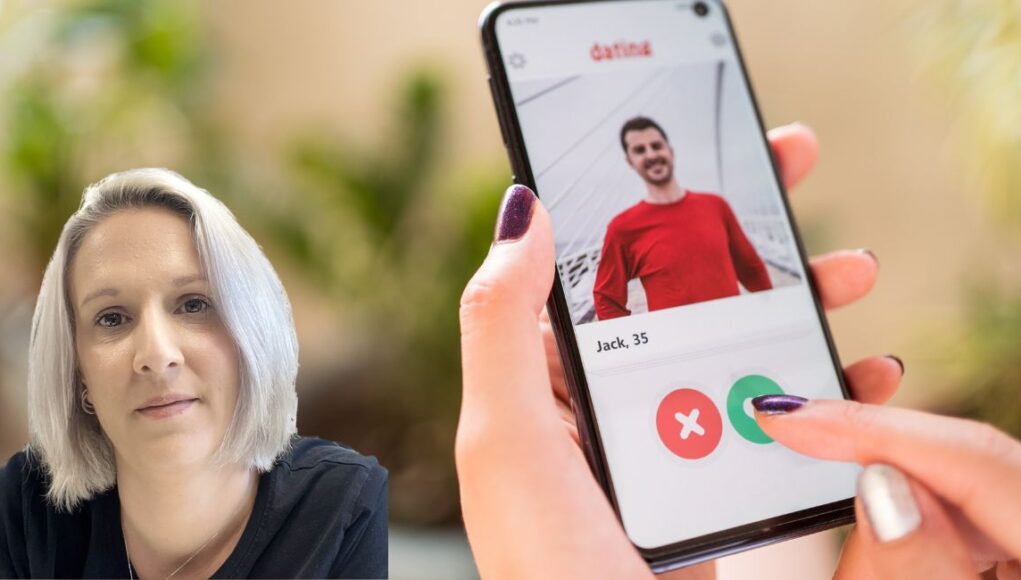
Finding love is hard enough without dating sites being difficult to use due to mobility, cognitive, visual or auditory issues. Accessibility needs affect all of us at different times, for example needing to increase font size to read more comfortably. But for people with ongoing accessibility needs, dating apps may be completely inaccessible and create barriers instead of connections.
Swindon-based security awareness specialist, Jemma Davis explores the state of accessibility and useability of modern dating apps and whether they are preventing people with special needs or disabilities from finding love.
The Accessibility Struggles of Dating Apps
We all encounter accessibility challenges at different points in life. Whether it’s increasing text size for easier reading or using captions in a noisy environment, technology should adapt to our needs. However, for individuals with long-term mobility, cognitive, visual, or auditory impairments, these challenges go beyond minor inconveniences—they become major barriers to finding connection.

A review of the most popular dating platforms shows that accessibility is inconsistent at best. Many apps lack standardised navigation, making it easy to misinterpret interactions or send messages by accident. Tinder, for instance, offers labelled buttons and screen-reader compatibility, yet users relying on assistive technology still struggle with profile navigation. Hinge’s voice prompts can help some users, but its screen reader support remains unreliable. Meanwhile, platforms like Bumble and Badoo have been criticised for their lack of accessibility updates, leaving many users excluded altogether.
Are Dating Apps Legally Required to Be Accessible?
In the UK, the Equality Act 2010 requires businesses to make reasonable adjustments to avoid discrimination against people with disabilities. This includes online services, meaning dating apps must ensure their platforms are accessible to all. Failing to do so could lead to legal consequences, reputational damage, and the loss of potential users.
Additionally, the Human Rights Act 1998 protects people’s right to participate fully in society, including in digital spaces. When dating apps fail to accommodate accessibility needs, they risk breaching these fundamental rights by preventing people from forming social connections online.
The Equality Act 2010 and Human Rights Act 1998 apply across the United Kingdom, meaning companies operating within England, Scotland, Wales, and Northern Ireland are expected to uphold these laws. Failing to provide an accessible service can lead to reputational damage, exclusion of potential customers, and legal challenges under both the Equality Act and human rights legislation.
Safety Risks and Exclusion
Accessibility is not just about ease of use—it’s also a matter of safety. When navigation is unclear, users are more vulnerable to scams, harassment, and emotional distress. Poor text visibility makes it harder to verify profiles, increasing the risk of catfishing and fraud. If assistive technology isn’t properly supported, users may struggle to control privacy settings, leaving them exposed to unwanted interactions.
For those who need additional communication tools, the lack of structured messaging features can create misunderstandings or make conversations inaccessible. Reporting harmful behaviour is another challenge, as many apps bury safety tools deep in their menus, making them difficult to find for those using screen readers or voice commands.
Where Are the Improvements?
Dating platforms claim to help people find love, yet they have been slow to remove barriers that prevent many from using their services effectively. While some apps offer general guidance on accessibility, few have built-in settings to accommodate different needs. Instead, users are expected to rely on device-level adjustments—many of which don’t work consistently across all apps.
Time for Action
Dating apps have had years to address these issues, yet many still lag behind in making their platforms accessible. The solutions are straightforward: provide clear text, improve contrast, and ensure full compatibility with assistive technologies. These are not difficult fixes—they are basic necessities that should already be in place.
With Valentine’s Day approaching, the focus should be on love and connection. Yet for many, dating apps remain an exclusive club that fails to accommodate those who need them most. It’s time for change.