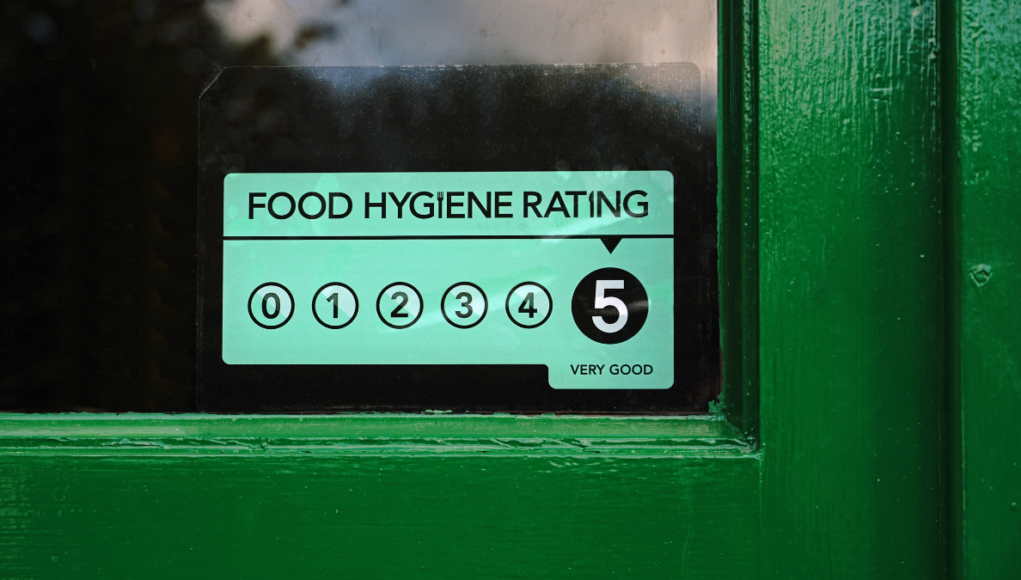
In a worrying revelation, recent data from the Food Standards Agency reveals that approximately 10% of takeaways in the UK have failed food standards inspections.
Chicken shops lead the pack, requiring immediate action, closely followed by Indian and Chinese restaurants. However, fish and chip shops seem to have fared better, with the lowest likelihood of failing inspections.
Recognising the need for greater emphasis on food safety, the agency has proposed empowering local authorities to allocate more time to non-compliant businesses or those posing significant risks to public health. This approach aims to reduce the burden on compliant and low-risk establishments.

Food standards inspections play a crucial role in protecting public health and ensuring consumer trust in the food they consume. However, the current regulatory regime, established three decades ago, fails to adequately address the changing food landscape and evolving consumer habits. With new challenges emerging, it is essential to enhance the efficiency and effectiveness of inspections to meet the demands of the modern era.
The findings from the Food Standards Agency highlight the immediate need for corrective action underscoring the importance of stricter monitoring and enforcement measures to safeguard consumers from potential health risks.
To tackle the pressing issue of non-compliant food businesses, the Food Standards Agency suggests empowering local authorities and district councils with the necessary resources and time to address high-risk establishments.
By redirecting their efforts towards non-compliant businesses or those posing the greatest risks to public health, authorities aim to establish a sustainable regulatory model for food hygiene. Simultaneously, this approach aims to alleviate the regulatory burden on compliant and low-risk establishments, allowing them to concentrate on maintaining their exemplary standards.
The authority’s Katie Pettifer said: ‘The food landscape has changed dramatically in the three decades since the current regulatory regime was put in place, as has the way we buy and consume food.
‘We want people to have food they can trust. That’s why we want to ensure that local authorities and district councils can use their resources as effectively as possible while we develop a sustainable regulatory model for food hygiene.
‘Our proposals will allow local authorities to spend more time on food businesses that are non-compliant or pose the greatest risk to public health, reducing the regulatory burden on compliant or low-risk businesses.’