With approximately 200 tonnes of food waste already diverted from general waste bins in just a fortnight, saving the Council an impressive £30,000. The question that naturally arises is, where does this significant volume of food waste end up?
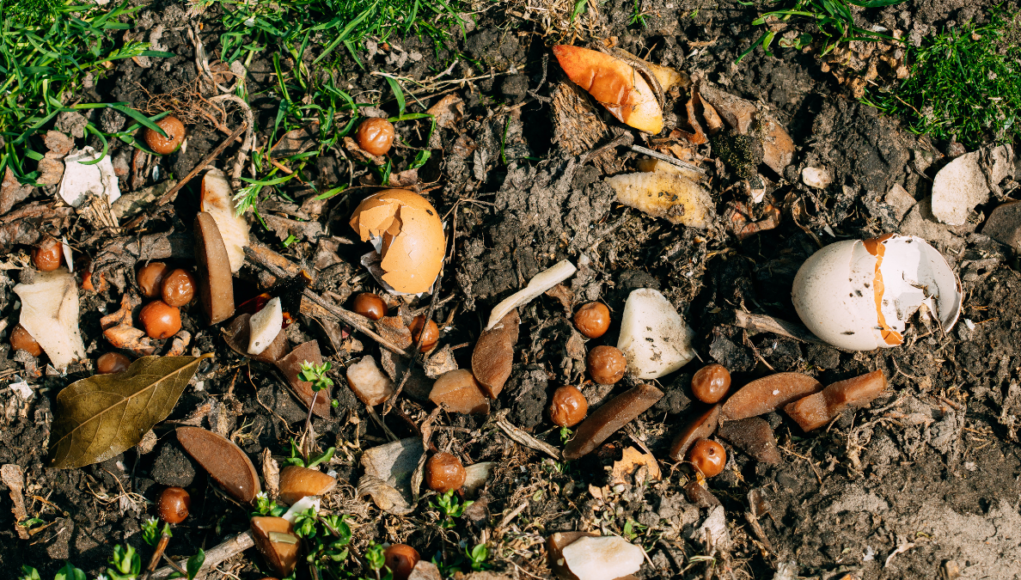
Swindon’s approach to managing food waste begins with its collection system. One the council says handles the discarded food in a manner that prioritises environmental sustainability. The destination for this organic waste is an anaerobic digestion plant nestled in the heart of Wiltshire.
At the anaerobic digestion plant, a transformative process awaits the food waste. Rather than opting for the less sustainable route of incineration, which contributes to electricity generation but is less efficient due to the high water content in food waste, Swindon Borough Council has chosen a greener path. The organic material is converted into fertiliser, enriching the soil for future crops.

This eco-friendly approach not only minimises the environmental impact of food waste disposal by diverting food waste away from general bins, where it would contribute to less efficient methods of disposal, but is also saving the council money.