Swindon Domestic Abuse Support Service (SDASS), the charity that provides refuge services and community-based support for those experiencing domestic abuse, is urging people to shine a spotlight on mental health to help end the cycle of abuse.
As Mental Health Awareness Week draws to a close, recent data reveals the staggering toll of domestic abuse on mental healthcare, with an estimated cost exceeding £176 million. With women disproportionately affected, statistics indicate that between 30% and 60% of women* facing mental health challenges have also endured domestic abuse, underscoring the urgent need to address this societal issue to alleviate pressure on mental health services.
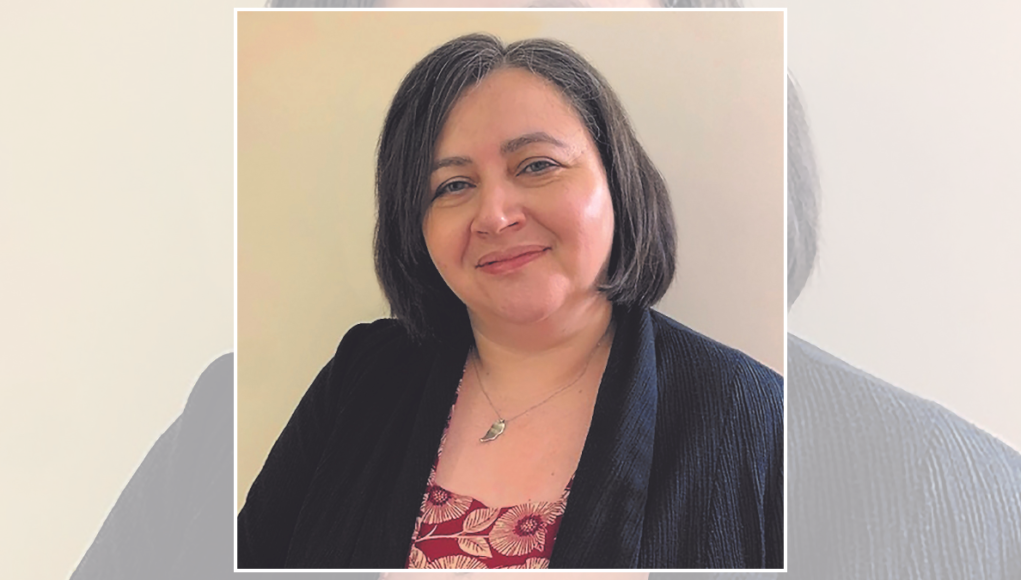
Jo Eamey, CEO of SDASS, explained: “Mental health issues can be both a vulnerability that is targeted by a perpetrator of domestic abuse, as well as a result of being the victim, whether you’re male or female.

“45% of the people we supported last year have told us that they have mental health issues, with 18% declaring a mental health disability that has a significant impact on their lives.
“Whilst all domestic abuse is damaging, emotional and psychological abuse can have a long-term effect on people’s mental health. When they first come to us, 90% of our clients tell us they’ve been experiencing emotional abuse; that’s actions like putting someone down, dashing their confidence and making them adapt their behaviour to avoid causing an upset.”
Intervening in cases of domestic abuse, particularly those involving children, holds the key to disrupting the cycle and fostering long-term positive outcomes. Exposure to domestic violence significantly impacts children’s mental wellbeing, often leading to educational setbacks and mental health challenges.
SDASS’s holistic approach encompasses support services for children and young people, equipping them with essential tools to process their experiences and cultivate healthy relationships. Through education and awareness initiatives, the organization strives to empower the next generation to recognize and dismantle abusive patterns.
Jo reiterated the importance of early intervention and education in breaking the cycle of abuse and fostering a community where healthy relationships thrive.
“The only way that we’re ever likely to see an end to domestic abuse is to stop it at the root cause. Our Children and Young People’s programme work with the next generation for them to understand what a healthy relationship, in all terms including friendship and romantic relationships, looks like,” she said.
“We see cycles of abuse repeating down through generations and so ending this cycle through education and awareness will no doubt have a knock-on effect to overall mental health too.”
To seek confidential advice on domestic abuse, individuals can reach out to the 24/7 Helpline at 01793 610610.