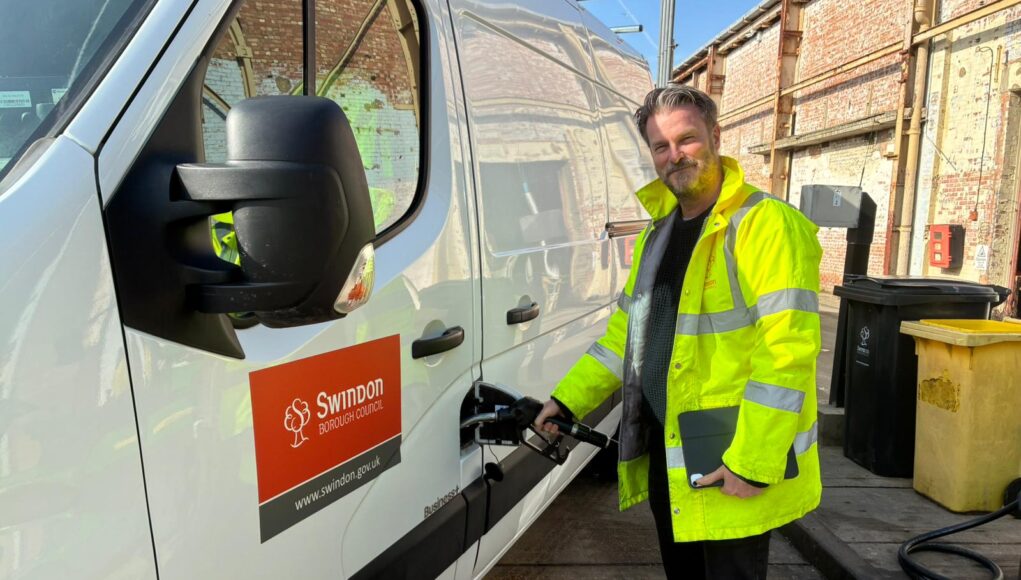
Swindon Borough Council is set to phase out fossil diesel across its vehicle fleet and replace it with a renewable biofuel from next month.
Hydrotreated vegetable oil (HVO) will be introduced as a direct alternative to diesel, powering approximately 675 council-owned vehicles and pieces of equipment. The switch is expected to reduce carbon dioxide emissions by up to 90 per cent per vehicle.
HVO is produced from vegetable oils and animal fats and can be used in most diesel engines without requiring modifications or new infrastructure. In addition to lowering CO₂ emissions, the fuel significantly reduces nitrogen oxide (NOx), particulate matter (PM) and carbon monoxide (CO), helping to improve air quality across the borough.

The transition will apply to all eligible diesel vehicles and machinery as existing diesel supplies are used up. This includes waste and recycling lorries, road sweepers, tractors, ride-on mowers and highway maintenance equipment.
Budget allocation
As part of the Council’s 2026/27 budget, approved on 26 February, £150,000 has been allocated to cover the additional annual cost of using HVO. While the fuel is more expensive than diesel, the Council says it burns more cleanly and efficiently, meaning vehicles may require less frequent refuelling and reduced maintenance.
The authority describes the move as a cost-effective way to make an immediate and significant reduction to its carbon footprint, at a time when large-scale electrification of the fleet remains financially challenging and operationally complex.
The HVO being sourced will be certified under recognised sustainability standards, including International Sustainability & Carbon Certification (ISCC), and will contain no palm oil. The Council says this ensures the fuel is fully traceable, renewable and not linked to deforestation.
Councillor Chris Watts, Cabinet Member for Environment and Transport, said:
“Ending the use of fossil fuel to power council-owned vehicles will have a positive and immediate environmental impact.
“Making the switch to a renewable biofuel, hydrotreated vegetable oil (HVO), will reduce the carbon dioxide emissions of each vehicle by up to 90 per cent. It will also benefit local air quality, by significantly reducing the level of polluting gases generated by burning diesel.
“When you think that our waste crews make 20,000 collections every week day using huge lorries, the environmental impact of switching these from diesel to this renewable biofuel is significant.
“Longer term we will continue to explore all options to decarbonise our fleet still further, recognising that widescale electrification is currently financially out of reach and comes with some operational challenges to resolve.”
The Council currently operates 28 electric vehicles, including four hybrids, as part of its wider efforts to reduce emissions.