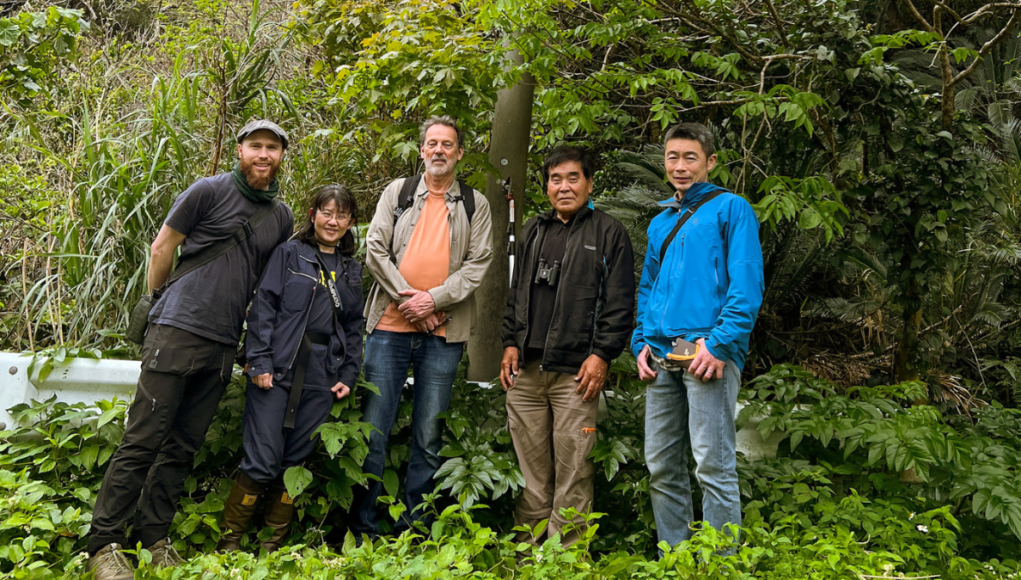
A significant breakthrough in global tree conservation has emerged from a recent survey of the world’s rarest maple tree, the Acer amamiense. An international team of researchers, including experts from Westonbirt Arboretum, has uncovered promising signs of regeneration among this critically endangered species.
The survey, conducted in March, took place on Amami-Oshima, a remote island in southern Japan. For the first time, a comprehensive population assessment was carried out on the elusive Amami maple, revealing a total of only 12 mature trees. Contrary to earlier reports, the team was relieved to discover three reproductively mature female trees among the population, along with between 100 and 500 seedlings of varying ages.
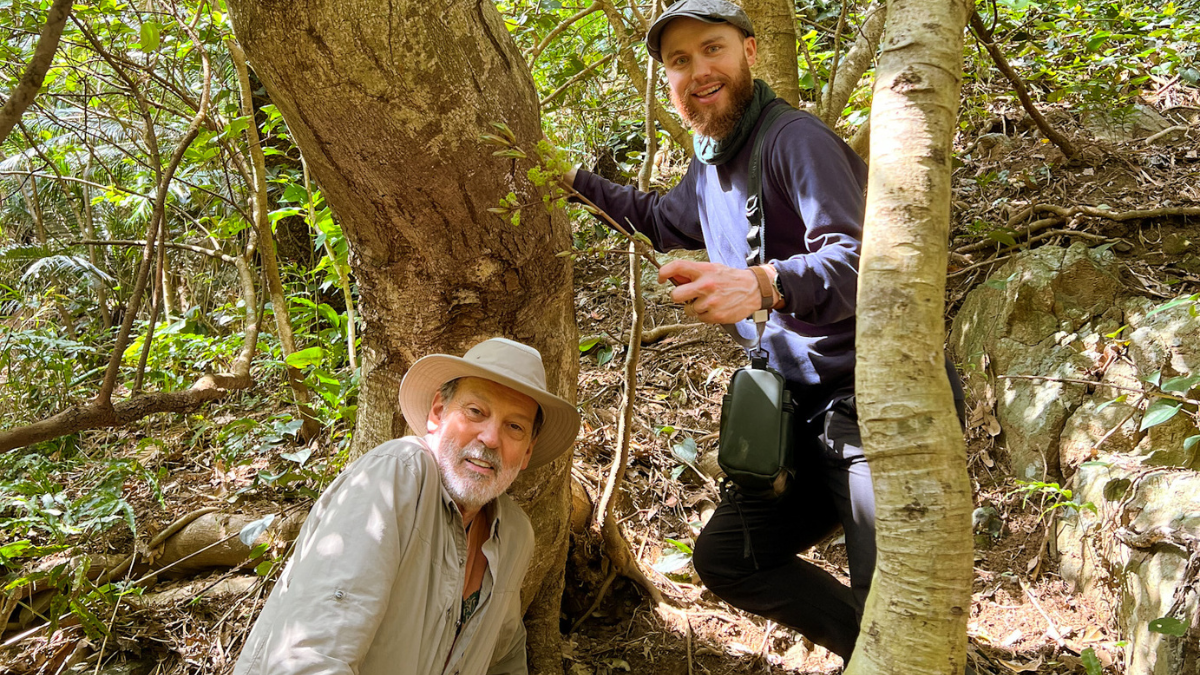

Dan Crowley, Tree Conservation Manager at Westonbirt Arboretum, and a key figure in the survey, reflected on the findings: “While we were pleased to find that the wild status of Acer amamiense is better than we feared, the species is still very much on the edge. Given its perilous state, it is vital that botanic gardens collaborate where we have this special tree in our collections.”
The expedition, a joint effort by Forestry England’s Westonbirt Arboretum, the University of British Columbia, Osaka University, and Botanical Gardens Conservation International (BGCI), was timed to coincide with the flowering of the Amami maple. Despite the discovery of female trees and seedlings, the species remains at significant risk. Its entire natural habitat spans less than one hectare, leaving it vulnerable to threats such as severe weather, urban development, and climate change.
Douglas Justice, Associate Director at the University of British Columbia, highlighted the broader implications: “Maple populations are often isolated and exceptionally small, particularly in temperate mountain habitats. One typhoon could potentially take out the entire population of Acer amamiense on Amami-Oshima.”
The survey was part of a larger initiative led by the BGCI’s Global Conservation Consortium for Acer, aimed at protecting highly threatened maple species. The information gathered will be used to inform future conservation efforts, both in situ and through the cultivation of genetically diverse populations in botanical gardens worldwide.
Ikuyo Saeki of Osaka University expressed hope for the future: “It is definitely an exciting finding to have discovered many regenerating trees. We will continue our research into the reproduction, genetic diversity, and vegetation of the site while working closely with local communities and governmental organisations.”
Westonbirt Arboretum, which is home to five Amami maples, continues to play a critical role in the conservation of this species. “There are more Amami maples in gardens across the south of England than there are in the wild,” Dan Crowley noted. “We hope to secure the future of this species by planting genetically diverse collections at Westonbirt and other botanical gardens around the world.”
This discovery has fuelled optimism within the global tree conservation community. While the Amami maple’s future remains uncertain, collaborative efforts provide a glimmer of hope for its survival.