A new Environment Agency report has laid bare the troubling state of England’s water companies, with pollution incidents rising sharply over the past year.
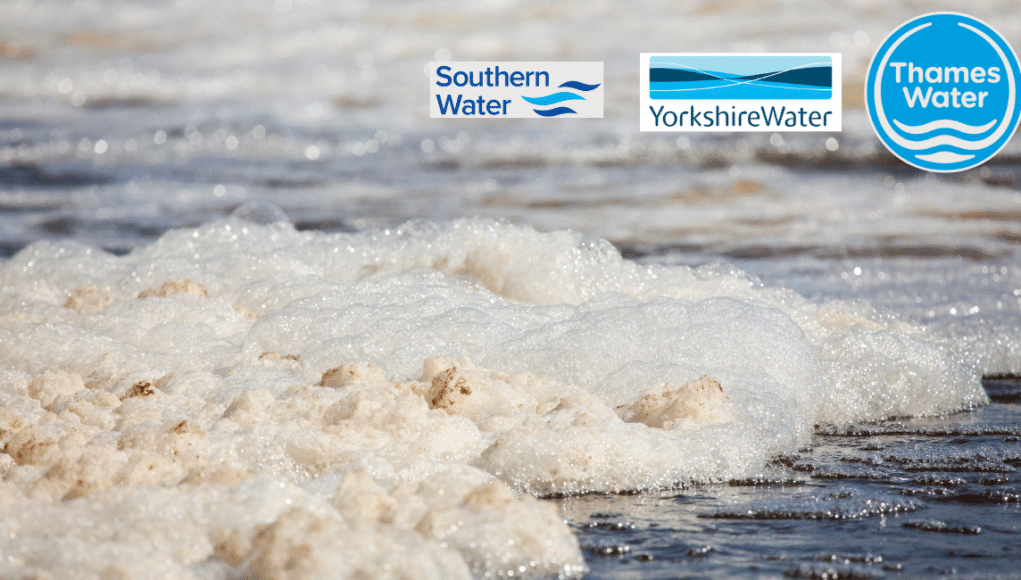
Figures reveal that serious pollution incidents – those classed as category one or two – have surged by 60% in 2024 compared with 2023. In total, 75 of these major and significant incidents were recorded, up from 47 the previous year. Alarmingly, three companies were responsible for 81% of them: Thames Water with 33, Southern Water with 15 and Yorkshire Water with 13.
The wider picture shows all pollution incidents across categories one to three climbed by 29%, with a total of 2,801 incidents reported in 2024 against 2,174 the year before.

Wessex Water avoided any serious pollution incidents in 2024, improving on a single serious incident recorded in 2023. However, the company’s overall pollution incidents still rose by more than half, showing that while the most damaging events were avoided, the broader problem is far from solved.
The Environment Agency has attributed much of the sector’s poor performance to years of underinvestment in infrastructure, ageing assets and the growing pressures of climate change. In particular, pipes designed to carry wastewater uphill – known as pumped rising mains – have been behind around one in five serious incidents, some of which affected protected waters used for wildlife and recreation.
In response, the Environment Agency carried out 422 inspections of Wessex Water sites last year – well above target and 35% higher than the previous year. These checks highlighted issues the company must address to strengthen its network and reduce pollution.
Ed Lockington, the agency’s water industry regulation manager, said: “By not causing any serious pollution incidents last year, Wessex Water has met both our expectation and that of the public. That is a standard it must continue to uphold.
“However, with overall pollution incidents rising by more than half, there is still a great deal to do. We expect the company to act on the intelligence from our inspections and drive down the numbers.”
Nationally, the Environment Agency aims to carry out 10,000 inspections by April 2026, more than doubling its previous target. This intensified approach has already revealed failings across the sector, with 24% of sites breaching their permits last year.
Alan Lovell, Chair of the Environment Agency, added: “This report shows a continued failure by some companies to meet environmental standards. The industry must take urgent steps to prevent pollution and respond quickly when problems arise.
“With more staff and increased funding, we are now better equipped to hold companies to account and ensure the law is upheld.”
Under the Water (Special Measures) Act, the agency now has enhanced powers to take swifter action against polluters and is consulting on a new levy to fund its enforcement work. Water companies are also required to produce annual Pollution Incident Reduction Plans to tackle the root causes of repeated issues.
For residents and communities, these findings underline the pressing need for water firms to meet their obligations. The message from the Environment Agency is clear: pollution on this scale is not acceptable, and decisive action will follow where standards fall short.