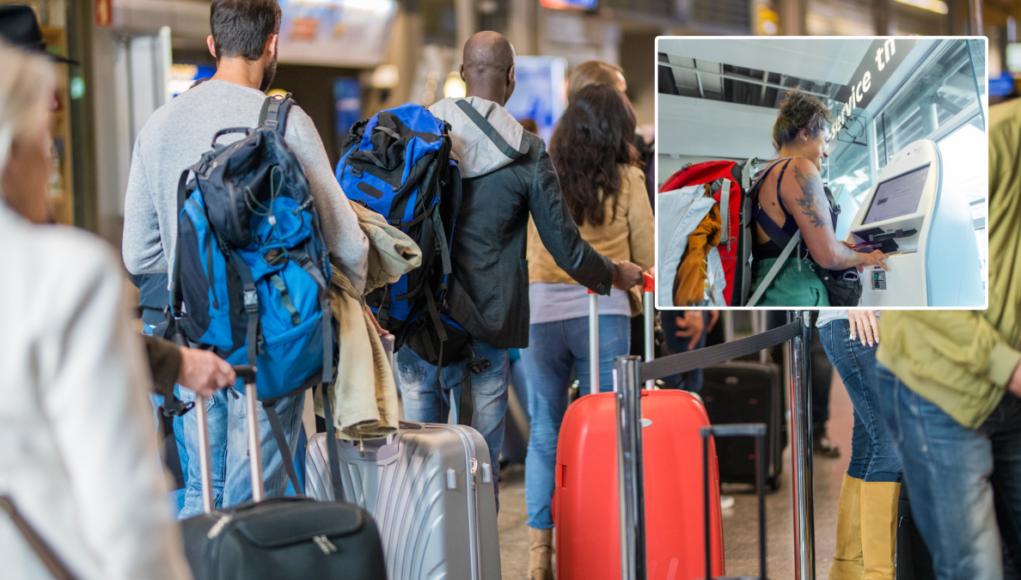
Holidaymakers heading into Europe are being urged to prepare for potential delays at passport control as a new biometric border process continues its phased introduction across the Schengen area.
Reports from several major gateways suggest that waiting times can vary dramatically depending on arrival times, with some passengers clearing checks quickly while others have faced queues stretching well beyond an hour.
New Entry-Exit System creating pressure at busy airports
The digital Entry-Exit System (EES), which is gradually replacing traditional passport stamping, requires non-EU travellers to register fingerprints and have their photograph taken alongside a passport scan when entering the Schengen zone for the first time.

That registration remains valid for three years and is designed to streamline future crossings. However, the rollout has created operational challenges during peak travel periods.
Airports have already seen congestion linked to the new process. Geneva Airport, particularly busy throughout the ski season, has acknowledged that the introduction of EES has contributed to bottlenecks on high-traffic days, with additional staffing brought in to help ease queues.
Elsewhere, arrivals into Tenerife and the Canaries have also experienced inconsistent processing times. Some passengers have passed through in under half an hour, while others have waited significantly longer when multiple flights landed in quick succession or when equipment experienced technical issues.
Summer peak periods could see further disruption
Industry bodies have warned that queues could become more severe during peak holiday periods if the system is not managed carefully. While the European Commission has confirmed that countries may temporarily reduce or pause elements of the process during especially busy times until September, concerns remain about how consistently contingency measures will be used.
The rollout, which began in October, is currently only active at some border points, but is scheduled to expand so that all eligible travellers are processed through EES at every Schengen entry location.
Travel organisations have also suggested that authorities need to plan more effectively for seasonal surges in passenger numbers to prevent avoidable delays.
Travellers advised to allow extra time
Ashley Hunt of Swindon Travel Hub said: “The new biometric checks will ultimately modernise the way borders operate, but during this transition period passengers should expect queues, particularly at popular leisure destinations. Allowing extra time and being ready to use the automated kiosks can make a real difference to the start of a holiday.”
With February half-term and the summer season approaching, travellers are being encouraged to arrive prepared, ensure passports meet entry requirements and anticipate the possibility of extended waits while the new system becomes fully established.